
Builder-grade steel sectionals
That means you're mostly looking at steel sectional doors, 16x7 double-car on the majority of lots, hung on torsion springs rather than the older extension-spring setups still common in pre-1980 neighborhoods.
Oakley, Antioch
Oakley's garage doors mostly date to the 1990s building boom - steel sectional, torsion-spring, builder-grade. Here's what upkeep actually looks like on that stock.
Symptoms
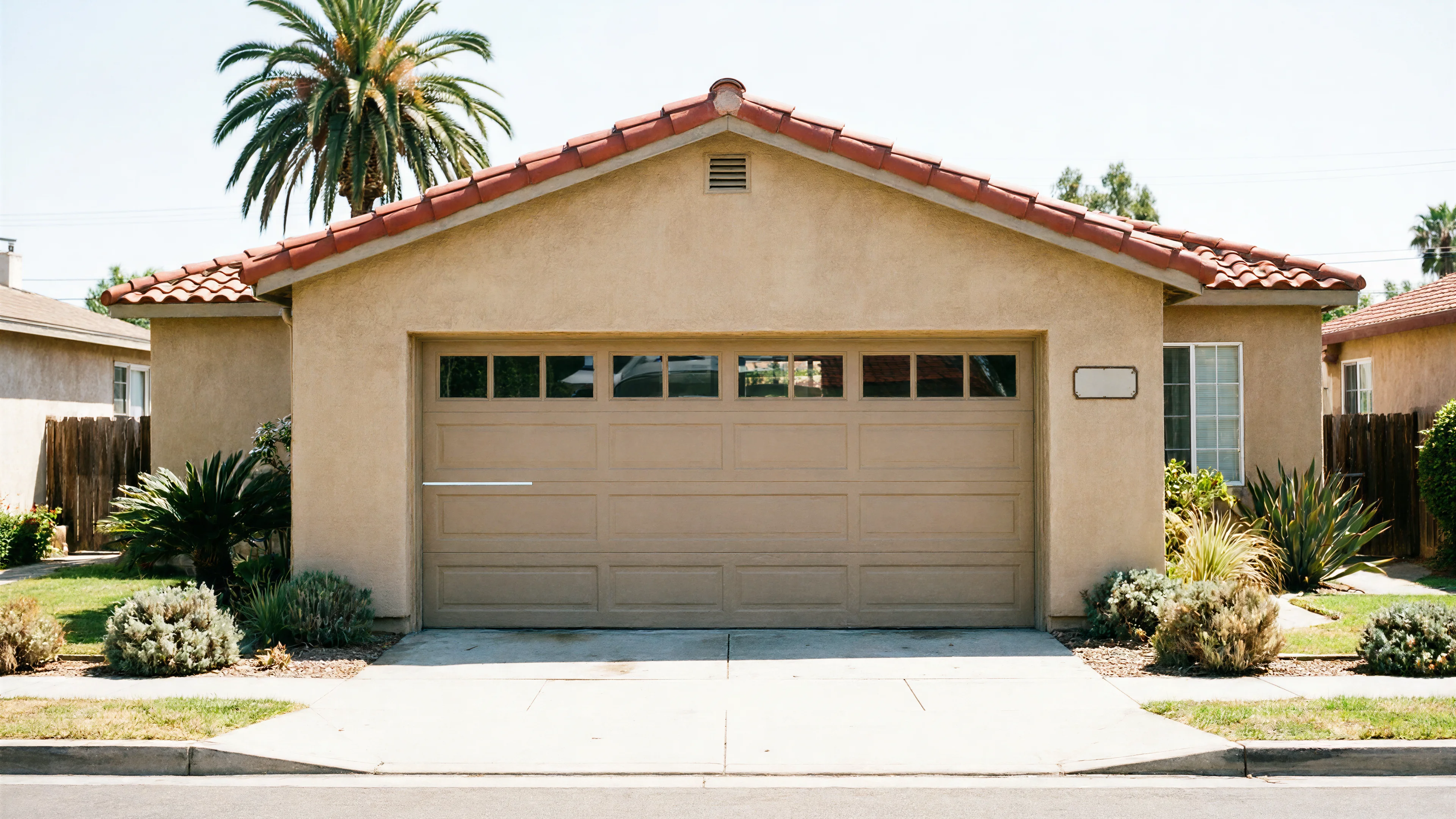
Most garage doors in Oakley went up during the subdivision push of the 1990s, with a median build year around 1995 - noticeably newer than the mixed 1950-2008 stock you'll find elsewhere in the service area.
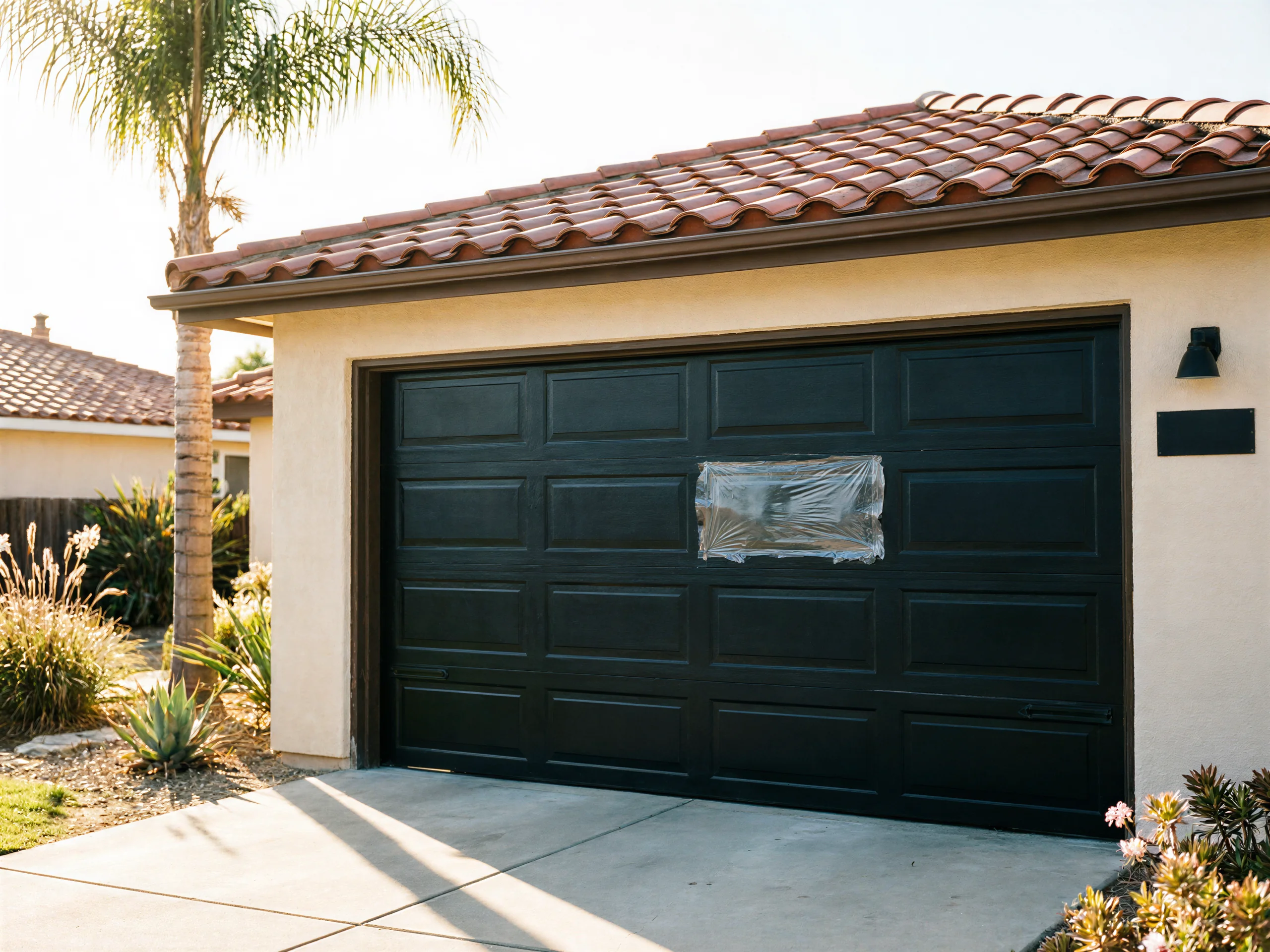
That means you're mostly looking at steel sectional doors, 16x7 double-car on the majority of lots, hung on torsion springs rather than the older extension-spring setups still common in pre-1980 neighborhoods.
The panels are lighter-gauge steel than what you'd find on an older custom-built door, and the hardware is standard builder-grade - reliable, but not built for a thirty-year service life without attention.
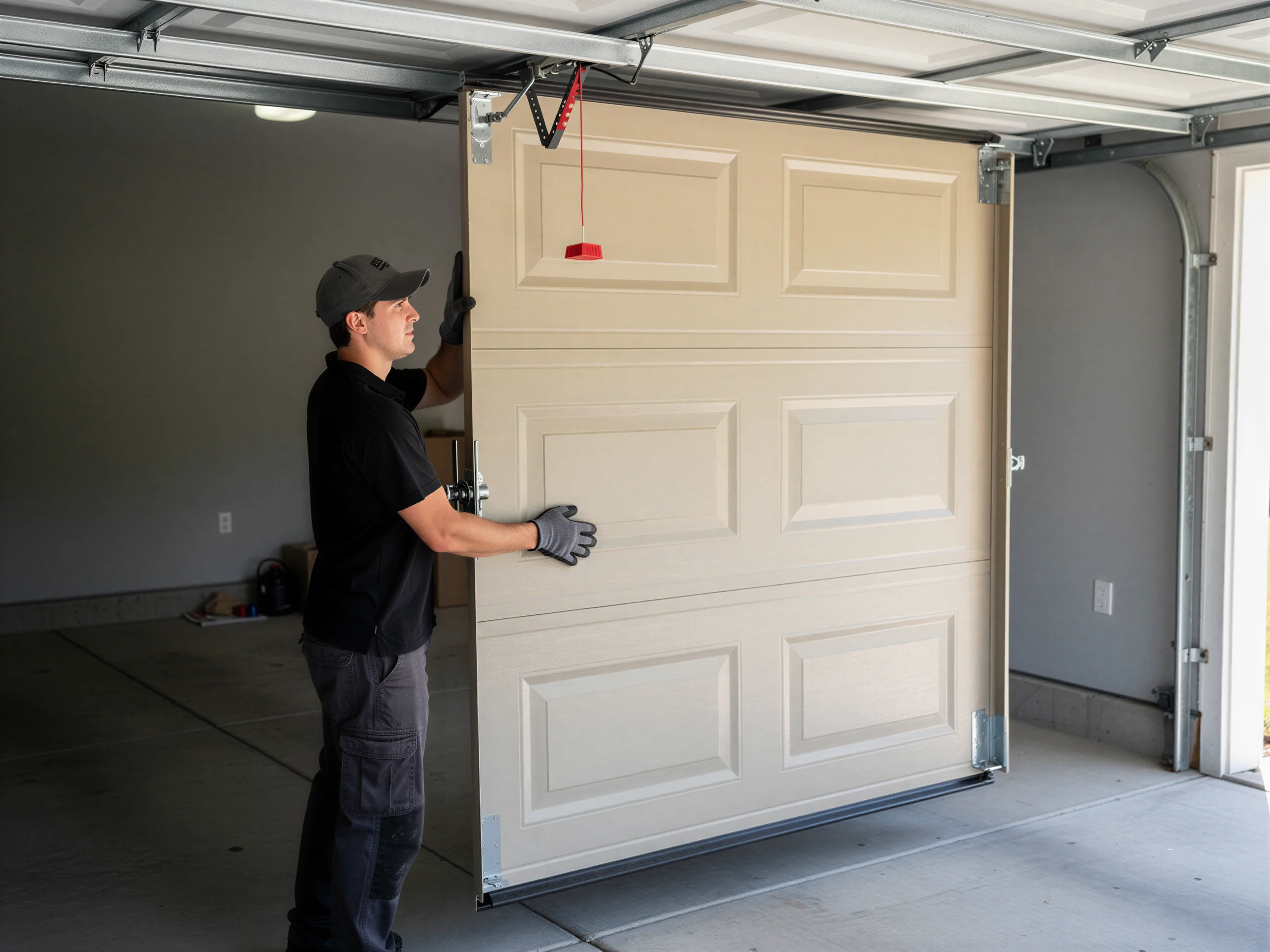
The symptom that brings people to maintenance rather than repair is usually quieter than a broken spring: a door that's started grinding on the way up, rollers that chatter instead of roll, or a slight sag at the bottom panel when the door's open halfway. On a door this age, those are wear signs, not failure - which is exactly the window where maintenance costs less than replacement parts.
The repair
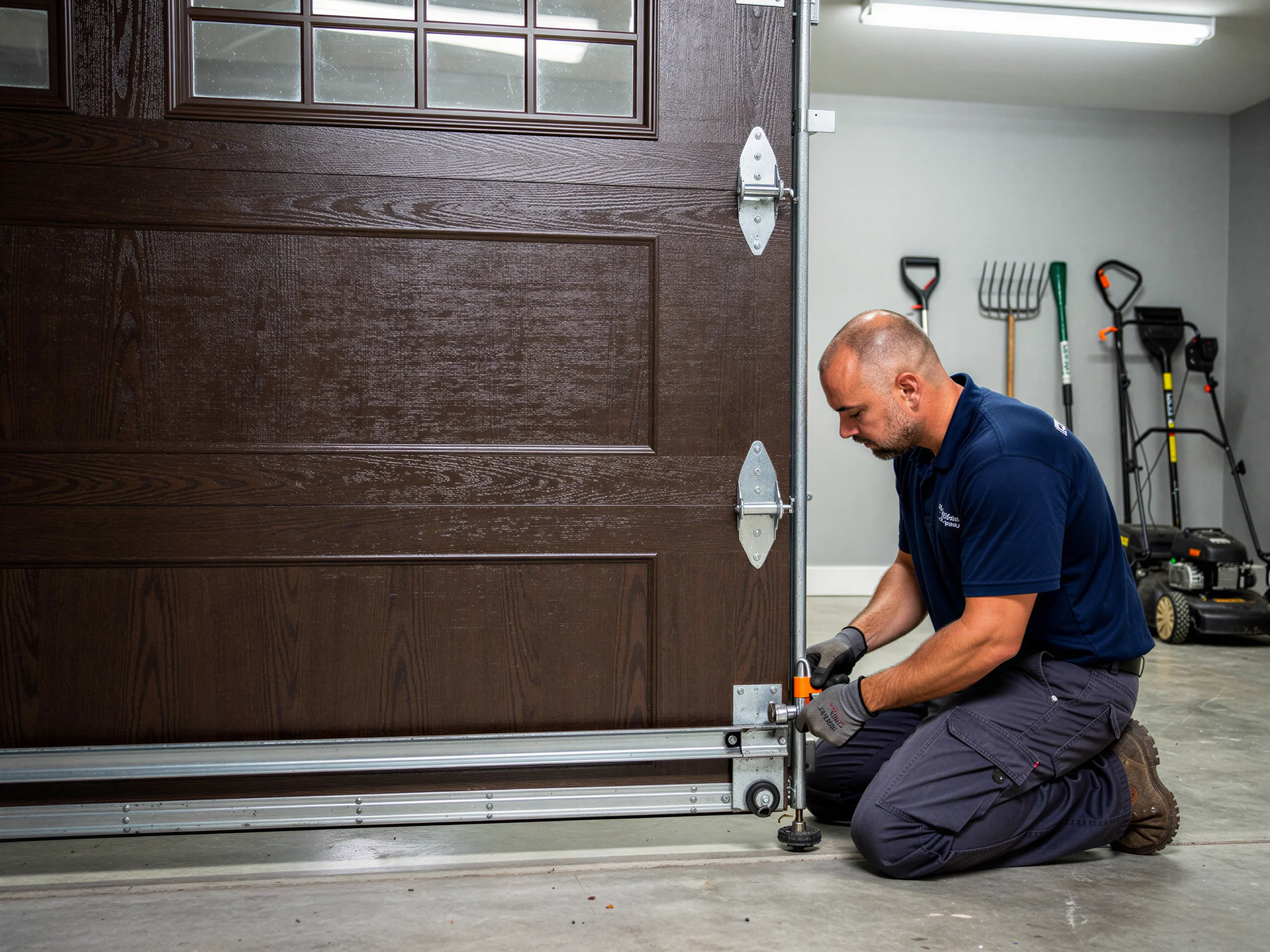
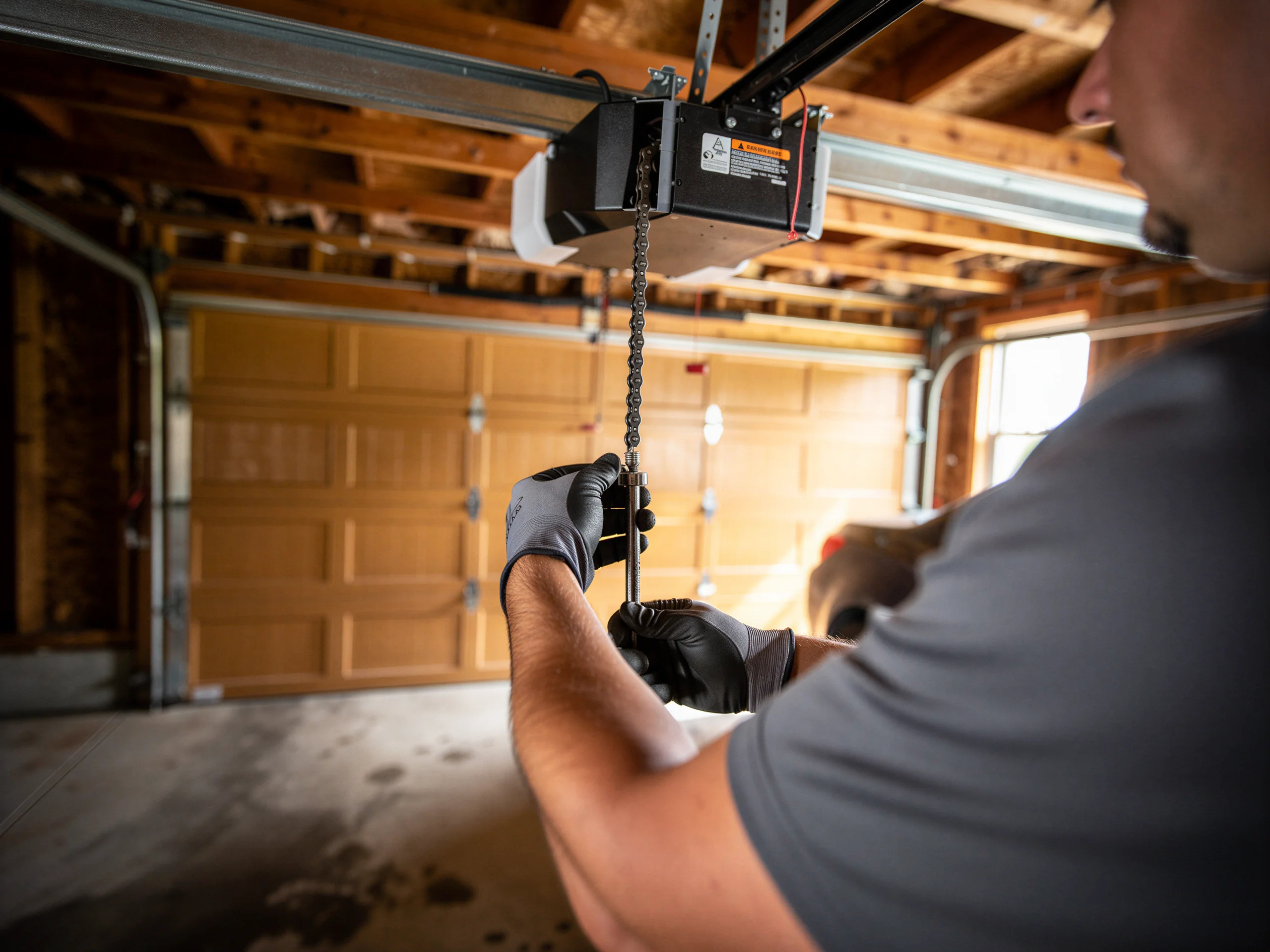
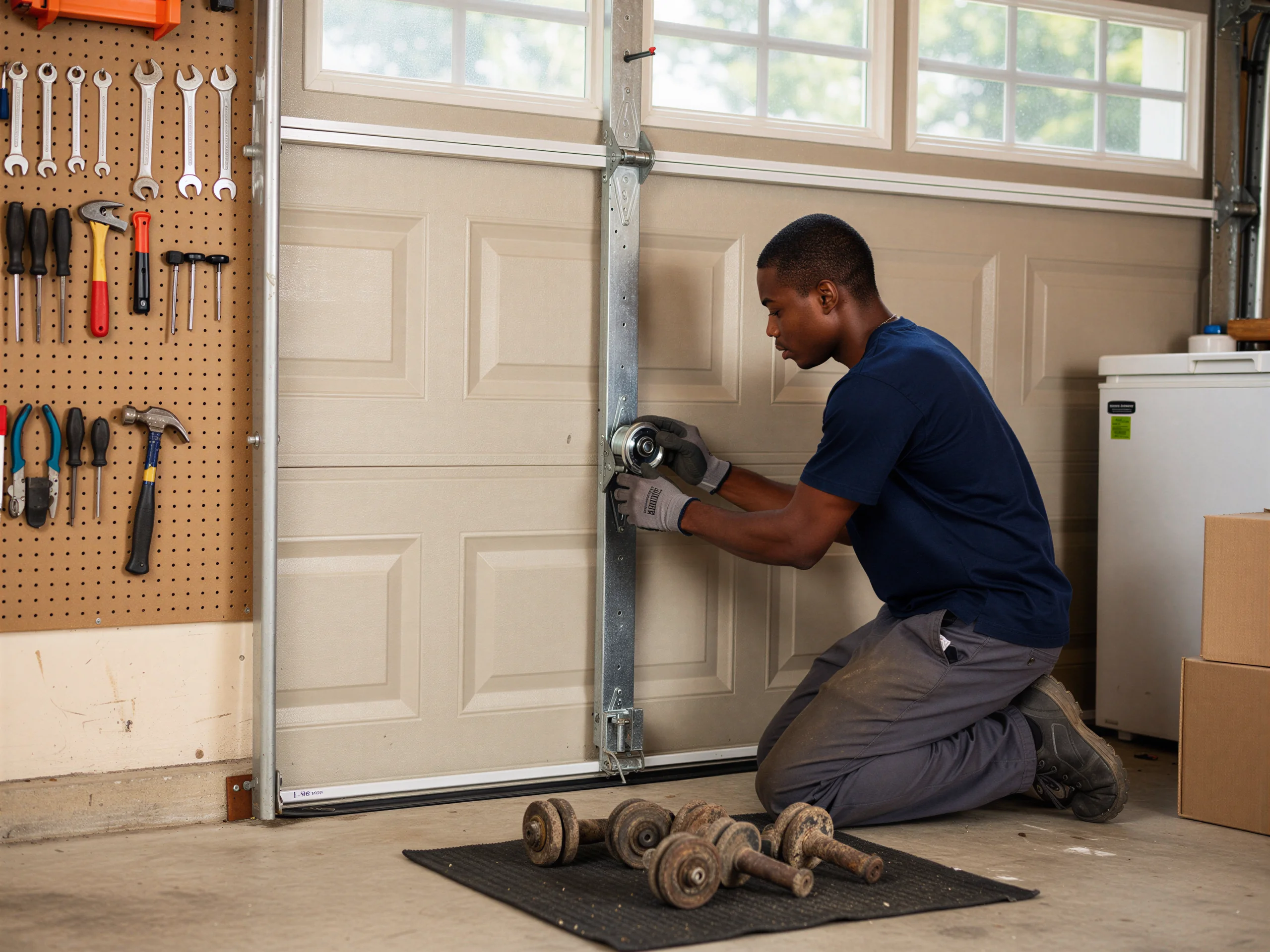
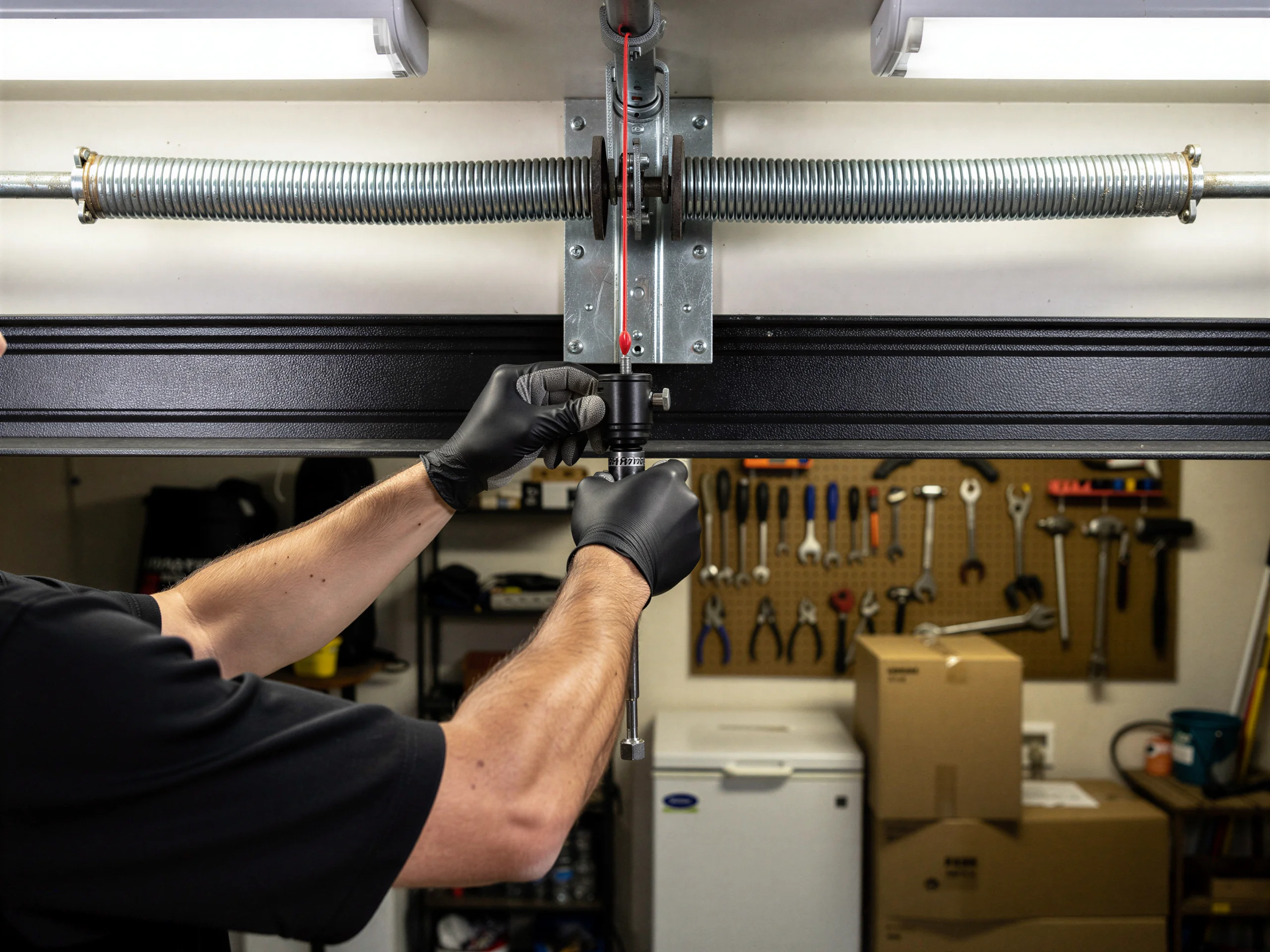
On a 1990s builder-grade door, maintenance means lubricating the torsion spring and hinges, checking roller wear (nylon rollers from this era are often due for replacement by now), tightening the track bolts that loosen with thousands of open-close cycles, and testing the auto-reverse safety sensors, which were standard equipment by the time these doors went in. We also check the cable drums for fraying, since 1990s double-door setups put more load on a single torsion spring than the lighter single-car doors some neighborhoods also have.
What we don't do on this visit is rebuild a door that's already failing structurally - if a panel's rusted through at the bottom or the track is bent from an impact, that's a repair or replacement conversation, not a maintenance one. We'll tell you which one it is before we start charging for either.
Booking
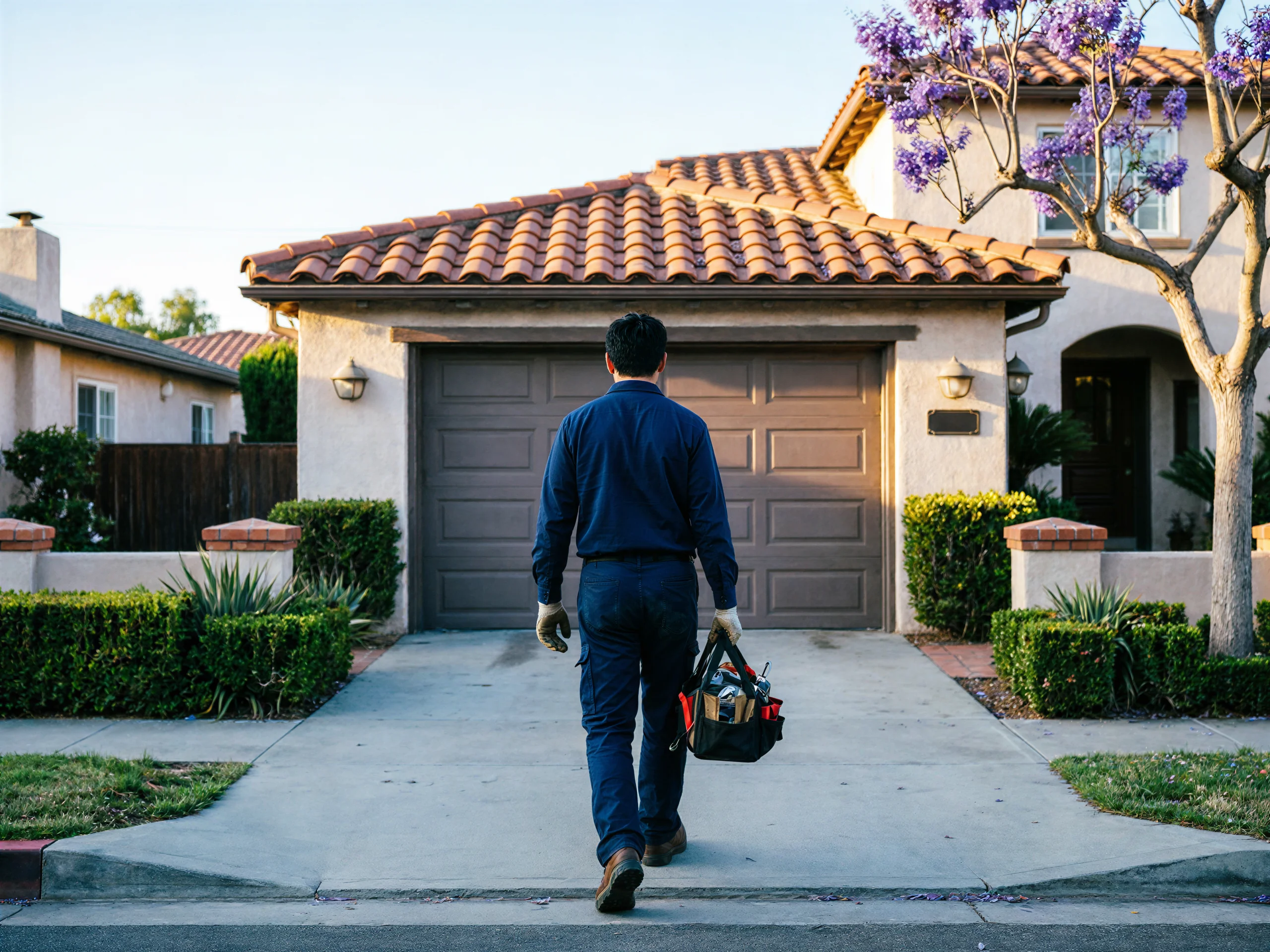
We run out of Antioch, about 6 miles from Oakley, so there's no local branch to call - just a truck that comes to you.
Booking a maintenance visit works the same as any repair call: you describe what the door's doing (or not doing), and we schedule a visit.
Given the climate here is moderate on heat exposure, there's no seasonal rush tied to extreme temperature swings the way there is in markets with real freeze-thaw cycles - but a door that's gone five-plus years without a lube and inspection is overdue regardless of season.
Watch-outs
The complication specific to Oakley's housing stock is less about what's wrong and more about what's original. A door installed around 1995 is old enough that its opener may be on its second or third unit already, but the torsion spring and track are often still the builder's original parts - which means they're past the typical spring lifecycle even if nothing's broken yet.
We see this more here than in older, more varied stock elsewhere in the service area, simply because so much of Oakley's housing landed in the same decade and is aging in step. The other wrinkle: builder-grade hardware from this era isn't always a direct match for current parts.
A spring or roller bracket that doesn't line up with today's standard sizing means we sometimes need to order the right fit rather than grab it off the truck, which can add a day to the job.
DIY or pro
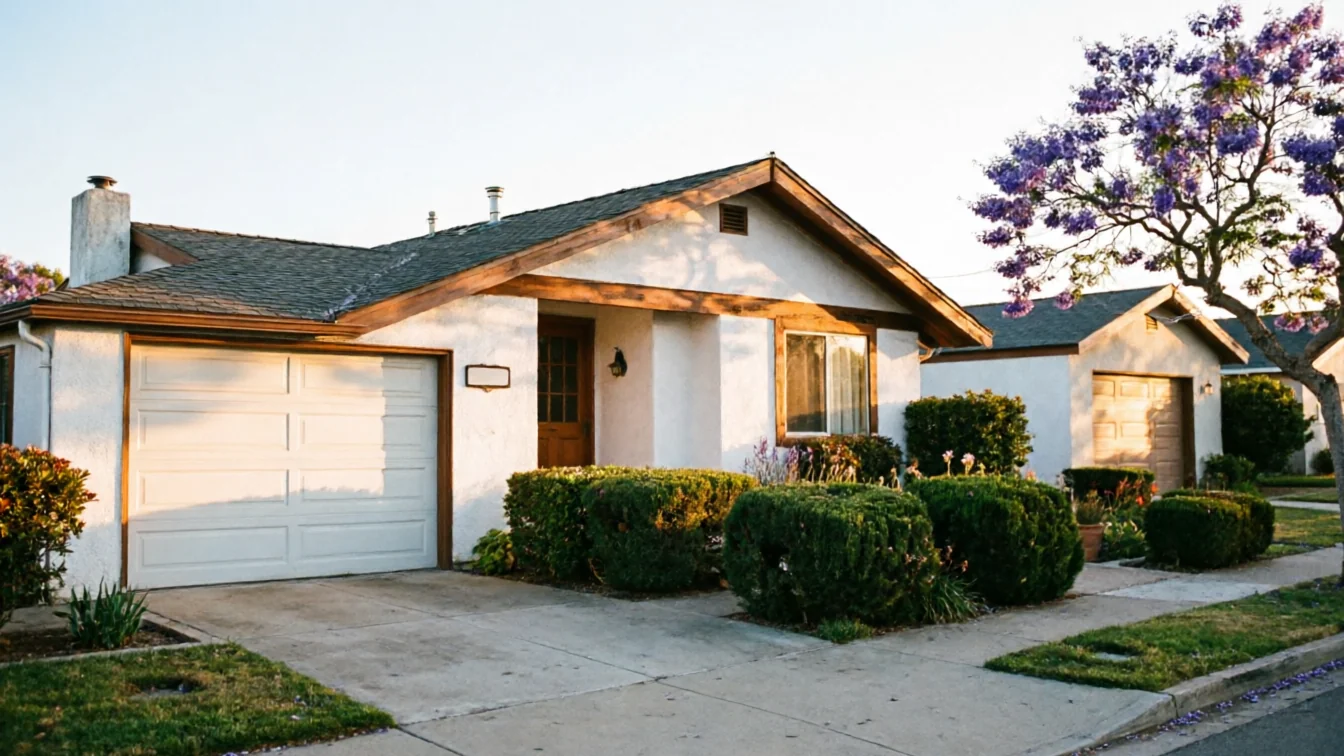
Homeowners can reasonably handle a few things on a door this age: wiping down and lubricating the tracks with the right garage-door lubricant (not WD-40, which attracts grit), visually checking for frayed cables or rust on the bottom panel, and testing the auto-reverse by placing a block in the door's path. What you shouldn't touch is the torsion spring itself - it's under enough tension on a standard double-car door to cause real injury, and that's true whether the door is five years old or thirty. If the door's sagging, binding, or making a new noise, that's a call, not a weekend project.
Downtime
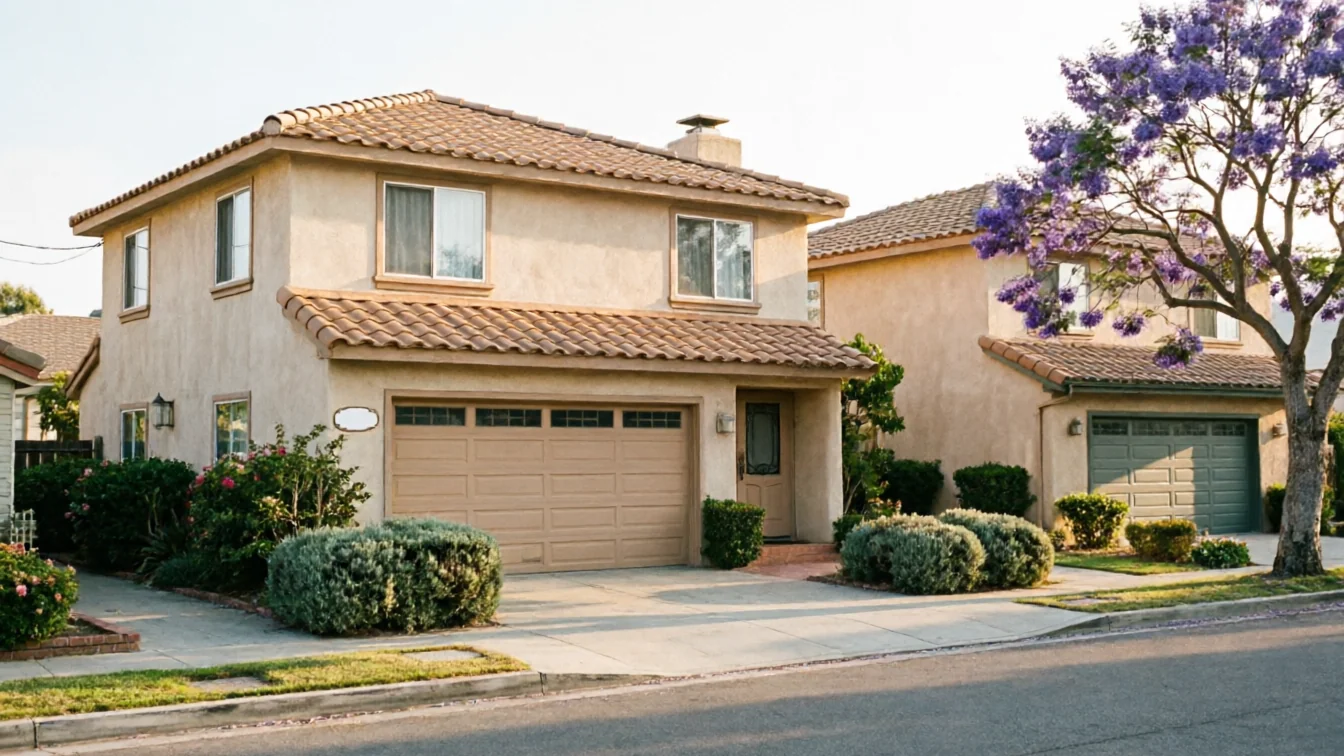
A routine maintenance visit doesn't take your garage door out of service - the door stays operational before, during, and after, aside from the short window the tech is actively working on it. That's the main reason maintenance is worth scheduling before something breaks: a spring replacement on a dead door means no garage access until the part's installed, while catching a worn spring early is a planned visit with zero downtime. On 1990s stock specifically, we'd rather replace a spring that's showing wear on our terms than get the call when it snaps.
Questions
Oakley's housing stock centers on a median build year around 1995, newer than much of the surrounding service area. That means most doors are steel sectional units on torsion springs rather than the extension-spring hardware common in older neighborhoods nearby.
No - we run out of Antioch, about 6 miles away, and bring the truck to you for both maintenance and repair calls in Oakley. There's no local depot, just a scheduled visit.
Oakley sits in a moderate heat band rather than an extreme one, so there's less seasonal urgency tied to temperature swings than in harsher climates. Age and cycle count on the hardware matter more here than weather.
Lubricating tracks and hinges and checking for frayed cables is fine to do yourself. Torsion spring adjustment is not - the tension involved can cause serious injury, and that's true on a newer builder-grade door just as much as an older one.
Explore more
Ready when you are
Antioch Garage Door Pros repairs and installs garage doors, springs and openers in Antioch, CA and the surrounding area.