
Blog
Why So Many Antioch Garage Doors Have No Insulation at All
Antioch's median house went up in 1979, years before insulated garage door panels were standard. Here's what that older stock means for repair, cost, and heat.
What Is Going On
Most of the garage doors we get called out to in this part of Contra Costa County were installed, or at least first installed, in a house built sometime between 1950 and 2008, with the median build year landing around 1979. That matters more than people think. Insulated steel panel doors didn't become the standard product on the shelf until well after that median year. A door on a house from the 1960s or 70s is very likely a single layer of steel or a wood panel door with no foam core at all, and no vinyl backing to stop it from acting like a drum in the sun.
We see this across the older sections of town constantly: the door still opens, the opener still runs, but the panel itself is just thin metal bolted to a frame, doing nothing to separate the garage from the heat outside. Homeowners sometimes think a rattling, dented door this old needs a motor repair. Usually it needs a panel that was never built to modern spec in the first place, and bringing it up to that spec means replacing the whole section, not patching the one you have.
If your house falls into that 1960s-70s band that makes up most of the stock here, assume your door is uninsulated until you've actually checked the back of a panel for foam.
What Changes With the Season
The climate here runs in the moderate-heat band, which means the stress on an old uninsulated door isn't a once-a-year event, it's a slow year-round load. A bare steel panel with no foam backing absorbs direct sun and transfers that heat straight through to whatever's in the garage, and straight into the track and hinge hardware too. Metal expands. On a door built in the 1970s with decades of surface rust already working on the hinges, that expansion and contraction cycle is what finally cracks a weld or loosens a roller stem that's been borderline for years.
We don't get the kind of hard freeze-thaw cycle that snaps springs the way it does in colder climate bands, so the seasonal pattern here is less about sudden failure and more about accumulated fatigue. A torsion spring on an old uninsulated door works harder because the door itself is heavier relative to its age and wear. Parts that were fine in year twenty are not fine in year fifty.
If you've got one of the original doors from that 1979-era build, the heat band we're in isn't going to announce a problem with a bang. It wears things down quietly, and you notice it as a door that's gotten noticeably heavier to lift by hand, or an opener that's started straining on the same door it ran fine for years.
What You Pay
We don't have a flat number to quote here, and we're not going to make one up. What we can tell you is what drives the cost on a job like this: whether a part for a 1970s-era door is still something a supplier stocks, or whether the whole section has to be custom-matched or replaced outright because nobody makes that profile anymore. On the older end of the stock in this area, repair quotes can turn into replacement conversations fast, simply because the parts don't exist on a shelf.
Across the broader service area, median household income sits at $139,567 across roughly 136,783 households, with about 82,876 of those owner-occupied houses. That's a lot of houses in the same housing-age bracket we're talking about, which is part of why we see the same failure pattern over and over: original door, original hardware, decades of heat load, and a homeowner who's never had reason to think about the garage door until it stops working the way it should.
Our honest limitation: if your door is original to a house from the 1950s-70s stretch and the track or hardware is genuinely obsolete, we're not going to spend your money chasing a repair that won't hold. Sometimes the right call is a new insulated door, not a patch on an old one.
What the Weather Here Does to It
In a moderate-heat climate band, the damage an uninsulated door takes isn't dramatic, it's cumulative, and it shows up fastest in houses built before insulation standards existed as something manufacturers designed around. A door with no foam core doesn't just let heat through, it moves with the heat, and an old door that's already slightly out of square from fifty years of use moves unevenly. That's when you start getting a panel that binds in the track on hot afternoons and runs fine again once it cools.
We also see this heat load accelerate wear on weatherstripping and seals that were never built to handle direct sun for decades, since that median 1979 build year predates a lot of the UV-resistant rubber compounds used today. The seal cracks, the door stops sealing, and the garage runs hotter still, which speeds up wear on whatever's stored in there and on the opener itself.
None of this means your door is about to fail tomorrow. It means a door from that era is working under conditions it was never engineered for, and the fix usually isn't a tune-up, it's an upgrade to a door built for the climate it's actually sitting in.
Questions
Common questions
How do I know if my garage door is insulated?
Open the door and look at the inside face of a panel. Insulated doors have a layer of foam, usually with a white or gray vinyl backing, between you and the outer steel skin. If you're looking at bare metal or painted wood on the inside, there's no insulation. Houses built before insulated doors became standard, which covers a lot of this area's stock, very often have this.
Why does my old garage door feel heavier than it used to?
A door that's run for decades under heat load loses tension gradually as springs fatigue and hinges wear. It's rarely one sudden failure, it's a slow drift that you only notice once it's significant. On original doors from the older part of the local housing stock, that drift has had a long time to add up.
Is it worth repairing a door that old or should I replace it?
Depends on what's actually wrong. If it's a roller or a cable, repair makes sense. If the track or hardware is a discontinued profile from a decades-old build, we'll tell you that straight rather than bill you for a repair that won't hold. We don't guess on this over the phone.
Recommendation
You Might Also Like
More garage door guides for Antioch homeowners.
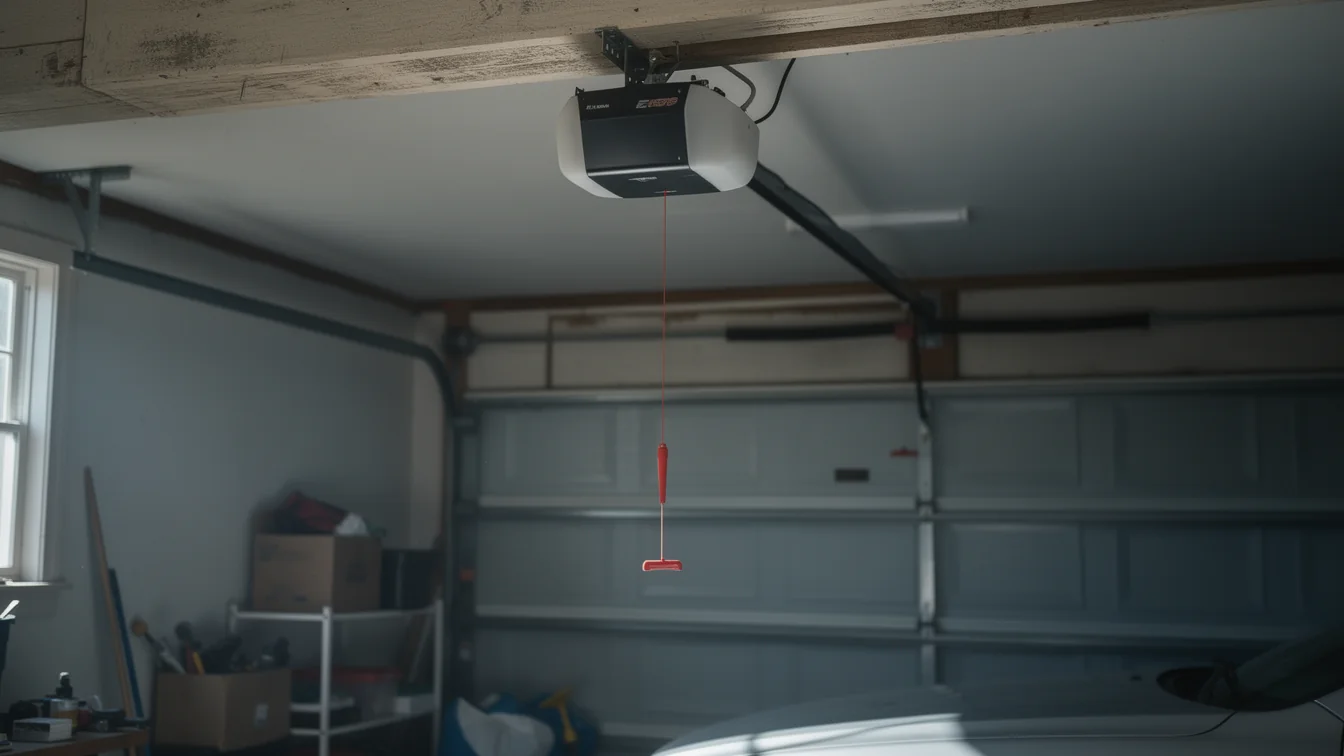 Weather Seals and Draughts in Antioch Garage Doors
Why garage door weather seals fail on Antioch's 1960s-70s housing stock, what the local heat does to rubber, and what actually drives repair cost here.
Weather Seals and Draughts in Antioch Garage Doors
Why garage door weather seals fail on Antioch's 1960s-70s housing stock, what the local heat does to rubber, and what actually drives repair cost here.
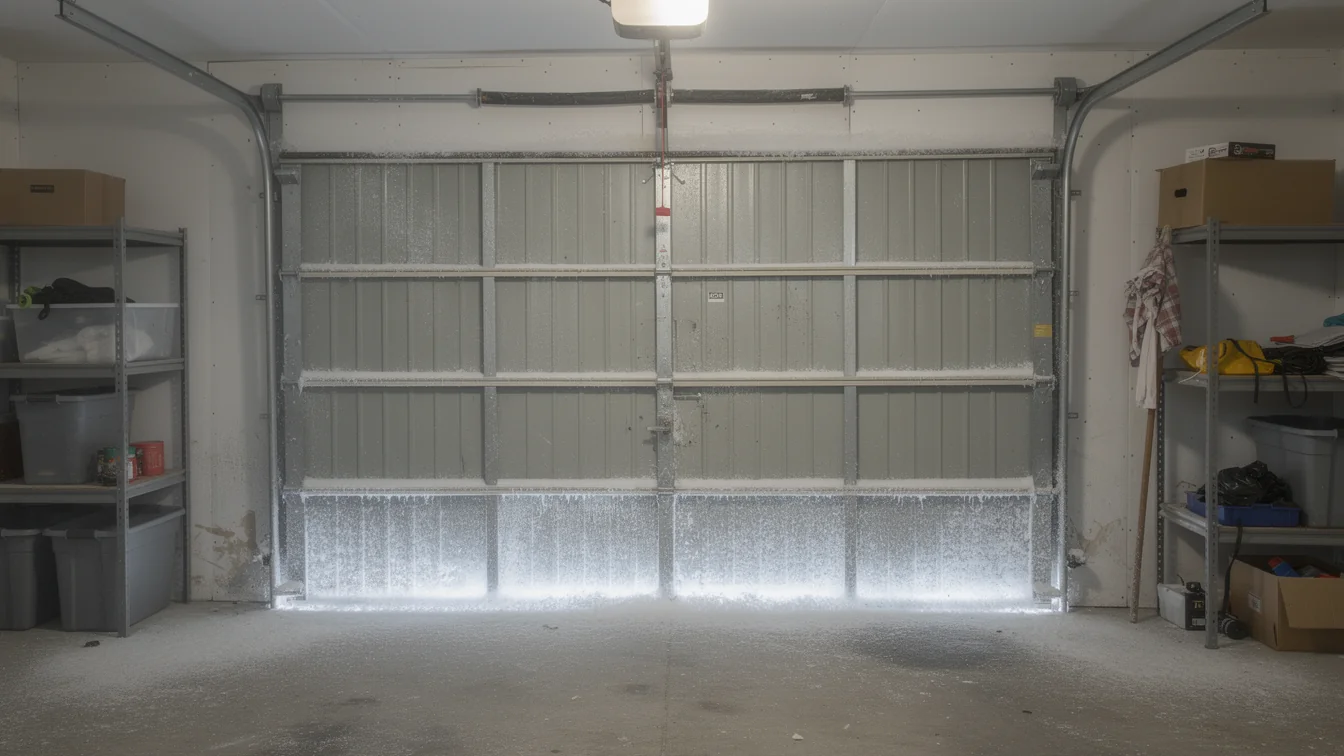 What an Older Door Is Really Worth Fixing in Antioch
A look at when repair makes sense for Antioch's older garage doors, tied to the area's 1960s-70s housing stock and its moderate heat climate band.
What Your Garage Door Is Trying to Tell You
Antioch homes built between 1950 and 2008 carry original hardware that talks before it fails.
What an Older Door Is Really Worth Fixing in Antioch
A look at when repair makes sense for Antioch's older garage doors, tied to the area's 1960s-70s housing stock and its moderate heat climate band.
What Your Garage Door Is Trying to Tell You
Antioch homes built between 1950 and 2008 carry original hardware that talks before it fails.
Ready when you are
Need a garage door sorted in Antioch?
Antioch Garage Door Pros repairs and installs garage doors, springs and openers in Antioch, CA and the surrounding area.