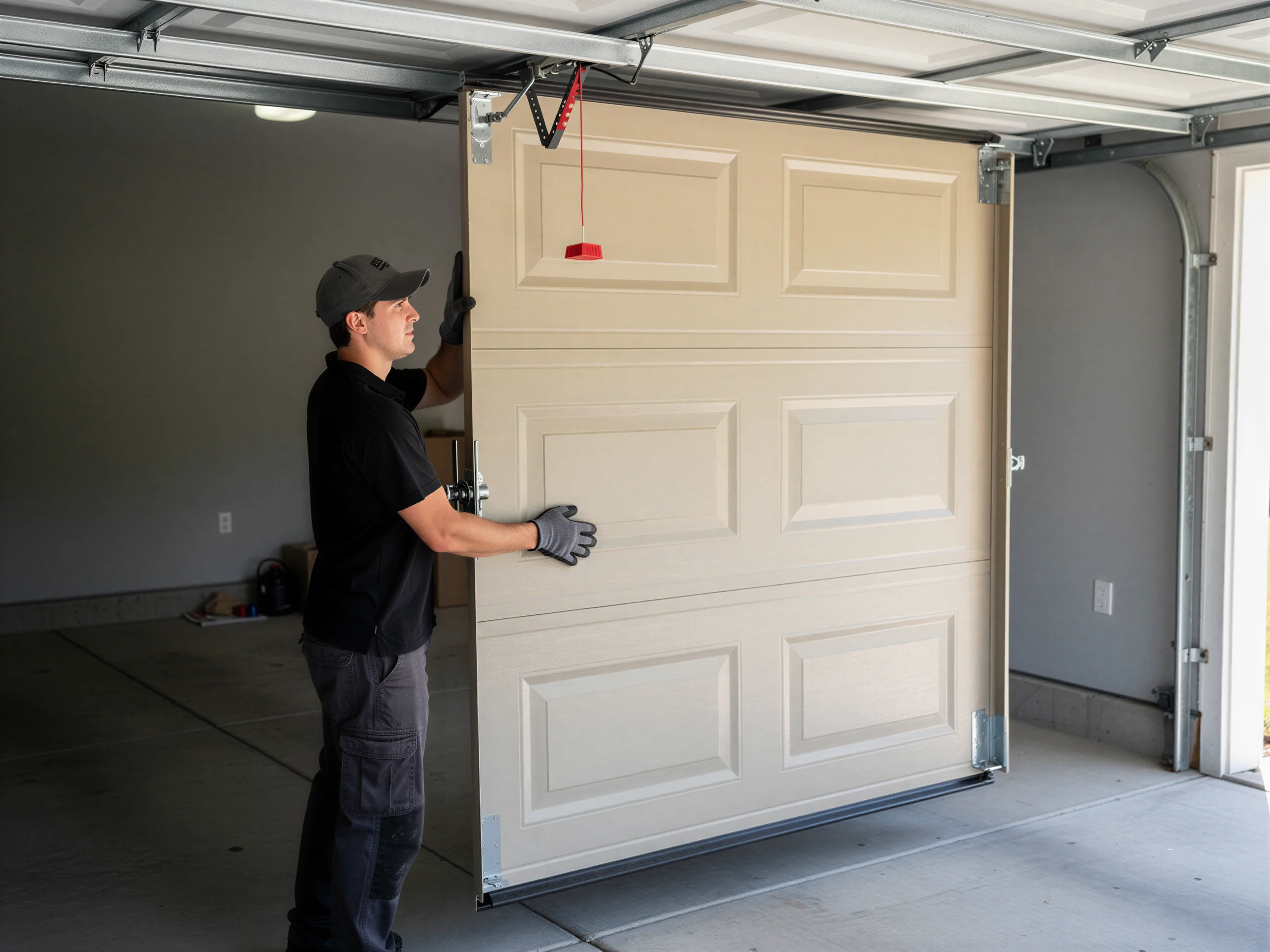
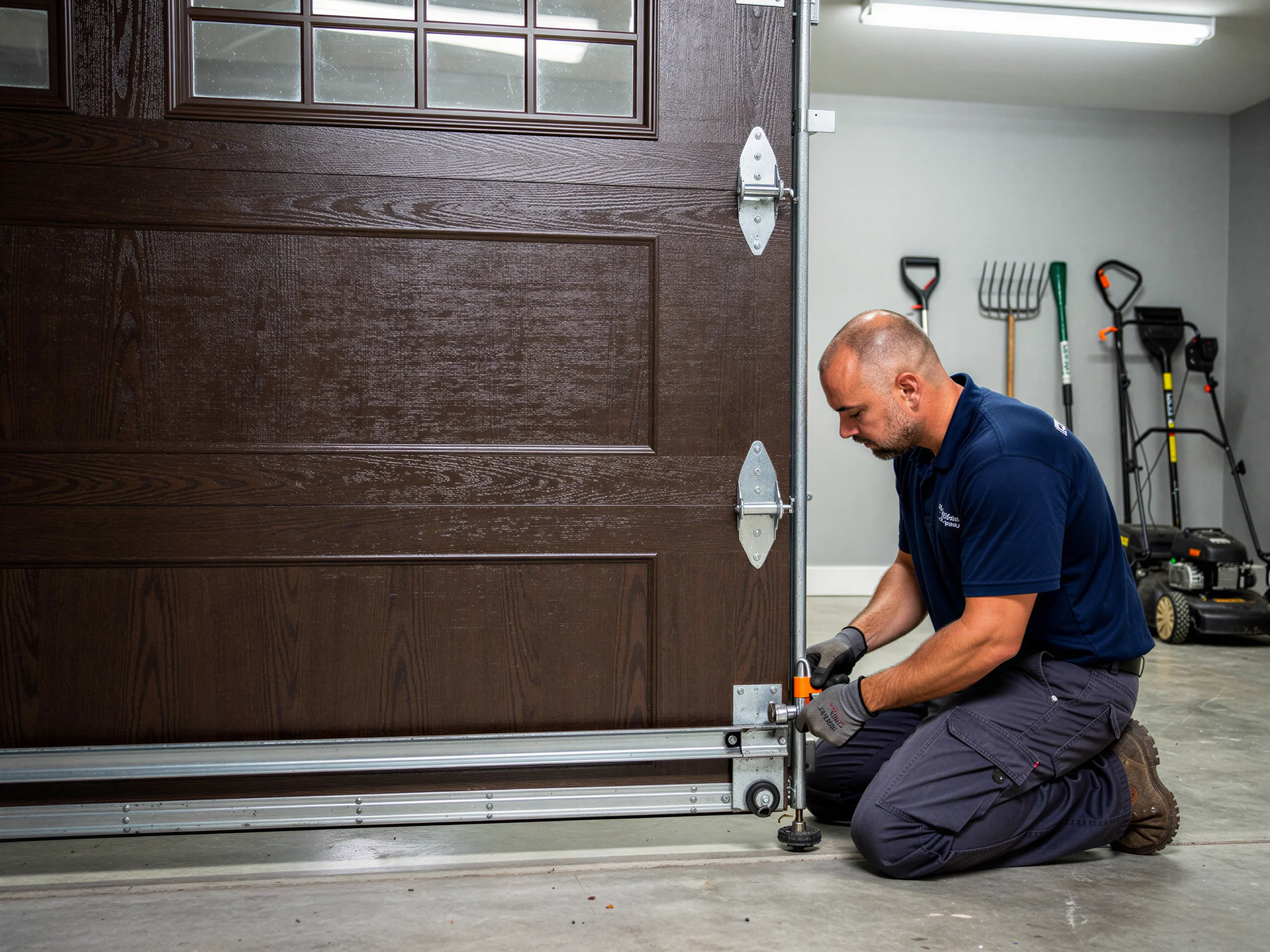
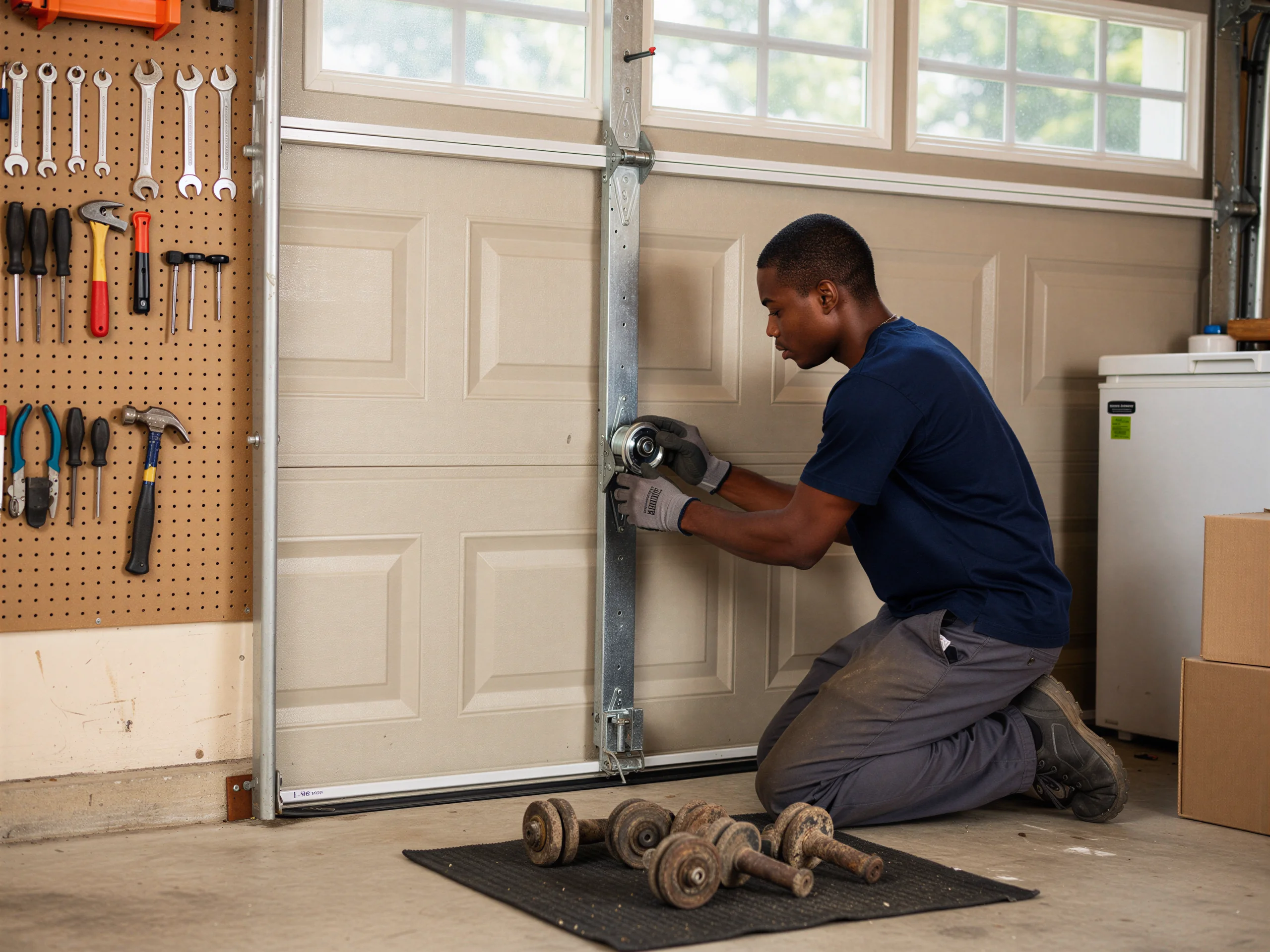
This area's housing stock runs from 1950 through 2008, with the bulk of it going up in the 1960s and 70s across the 24 or so named communities we work. That matters for springs specifically: a torsion spring has a rated cycle life, and a door installed new in, say, 1968 has had five-plus decades to use up that life, one open and close at a time. Springs don't fail because of one bad day - they fail because they've been doing the same lift a few times a day for fifty years and finally reach the end of the wire.
The climate here runs moderate on heat, which is actually a point in your favor - we don't see the extreme temperature swings that crack springs from thermal stress the way some regions do. So when a spring goes in Antioch, it's almost always straight mechanical fatigue from age and cycle count, not weather damage. That's useful to know because it means the fix is usually a clean spring or cable swap rather than chasing rust or warped track from moisture damage.
Across the roughly 82,876 owner-occupied houses in this service area, the pattern holds: older stock, original hardware, springs finally giving out on schedule rather than from any one event.