
Blog
What an Older Door Is Really Worth Fixing in Antioch
A look at when repair makes sense for Antioch's older garage doors, tied to the area's 1960s-70s housing stock and its moderate heat climate band.
What Is Going On
Housing in this area was mostly built between 1950 and 2008, with the median landing around 1979. Across the 24 neighborhoods we cover, the bulk of that stock dates to the 1960s and 70s, which means a lot of garage doors on the street are either originals or first replacements installed decades ago on hardware that matched the house, not today's catalog.
That matters because parts from that era weren't standardized the way they are now. Track widths, drum sizes, and spring winding cones from a 1968 build don't always match what ships on a new opener bracket today. We can often still source a compatible spring or roller set and keep an old door running for years. What we can't always do is match an exact panel if one gets dented - some of those profiles stopped being made a long time ago, and a mismatched panel looks worse than the dent did.
So the honest answer on whether a door's worth fixing starts with the house's age. A door from a 1979-era build with a straight track and no major rust is usually a repair. A door from the same era that's been painted over rust for ten years is a different conversation.
What Changes With the Season
This area sits in a moderate heat climate band, not an extreme one, so the seasonal swing on a garage door here is gradual rather than sudden. Steel expands a little as the garage heats up through the day and contracts overnight. On a newer door with factory lubrication and tight tolerances, that's nothing. On a door that's been running since the 1970s or 80s, the metal has already fatigued some, and that daily expansion-contraction cycle is what finally finds the weak roller or the hairline crack in an old spring coil.
We don't see the kind of freeze-thaw damage that cracks doors up in colder climates, and that's actually good news for repair economics here - the moderate heat band means the door itself usually fails from age and cycle count, not from weather stress on the material. That's a more predictable kind of wear, and it's one reason an older door with moderate heat exposure and no rust problem is often still a reasonable repair rather than a forced replacement.
What You Pay
We don't have a price list to quote here, and giving you a number without seeing the door would be a guess, not a fact. What we can say is how the repair-versus-replace math tends to work in a neighborhood like this one.
The median household income across the service area runs around $139,567, which means full replacement is within reach for most owners once a door is genuinely done - bent track, rusted-through bottom panel, opener and springs all failing at once. But with 82,876 owner-occupied houses in the area, most of the doors we're called out to aren't in that condition. They're a single failed spring, a cable off the drum, or a roller that finally gave out after years in a 1960s or 70s-built garage. Those are repairs, and they cost a fraction of replacement.
Our limitation: if a door's track is bent badly enough, or the panel section is one we can't source anymore, we'll tell you straight that replacement is the better dollar-for-dollar move rather than patching something that'll fail again in a year.
What the Weather Here Does to It
The moderate heat band this area sits in doesn't put doors through the freeze cycles or storm-driven damage you'd see elsewhere, but heat still does its work over time. A steel door that's spent forty-plus summers expanding and contracting in a garage built back in the 1960s or 70s has more cumulative stress on its spring coils and track bolts than a door half its age, even without a single dramatic weather event to point to.
What we actually see on service calls: dried-out lubricant on older rollers, torsion springs that have lost tension gradually rather than snapping outright, and track bolts that have worked loose from years of thermal cycling. None of it is dramatic, which is exactly why it goes unnoticed until the door won't open one morning.
If your house falls into that 1950-2008 build window - which covers most of this area - the heat hasn't been the enemy so much as time has. Moderate heat just means that wear shows up as fatigue, not as a cracked panel from a hard freeze.
Questions
Common questions
My house was built in the 1970s and the opener still works. Is the door itself worth fixing?
Usually, yes. A working opener on a 1970s-era door is a good sign the track and spring system have been maintained. If the panels aren't rusted through and the track is still straight, a spring or roller repair is typically more cost-effective than replacing the whole unit.
Can you still get parts for a garage door from the 1960s or 70s?
Often, but not always. Springs, rollers, and cables are usually available in compatible sizes. Matching an exact panel profile from that era is harder - some designs aren't made anymore, so a damaged panel sometimes pushes the decision toward replacement instead of repair.
Does the heat here actually damage garage doors?
This area sits in a moderate heat band, so it's not extreme stress, but decades of daily heating and cooling still fatigues old spring coils and loosens track hardware. It shows up as gradual wear - a roller finally failing, a spring losing tension - rather than sudden damage from a weather event.
How do I know if my door is past the point of repair?
Rust working through a panel, a bent track that keeps bending back, or an opener and springs failing at the same time are the usual signs. Short of that, most issues on an older door - one dead spring, one bad roller - are a straightforward repair, not a replacement job.
Recommendation
You Might Also Like
More garage door guides for Antioch homeowners.
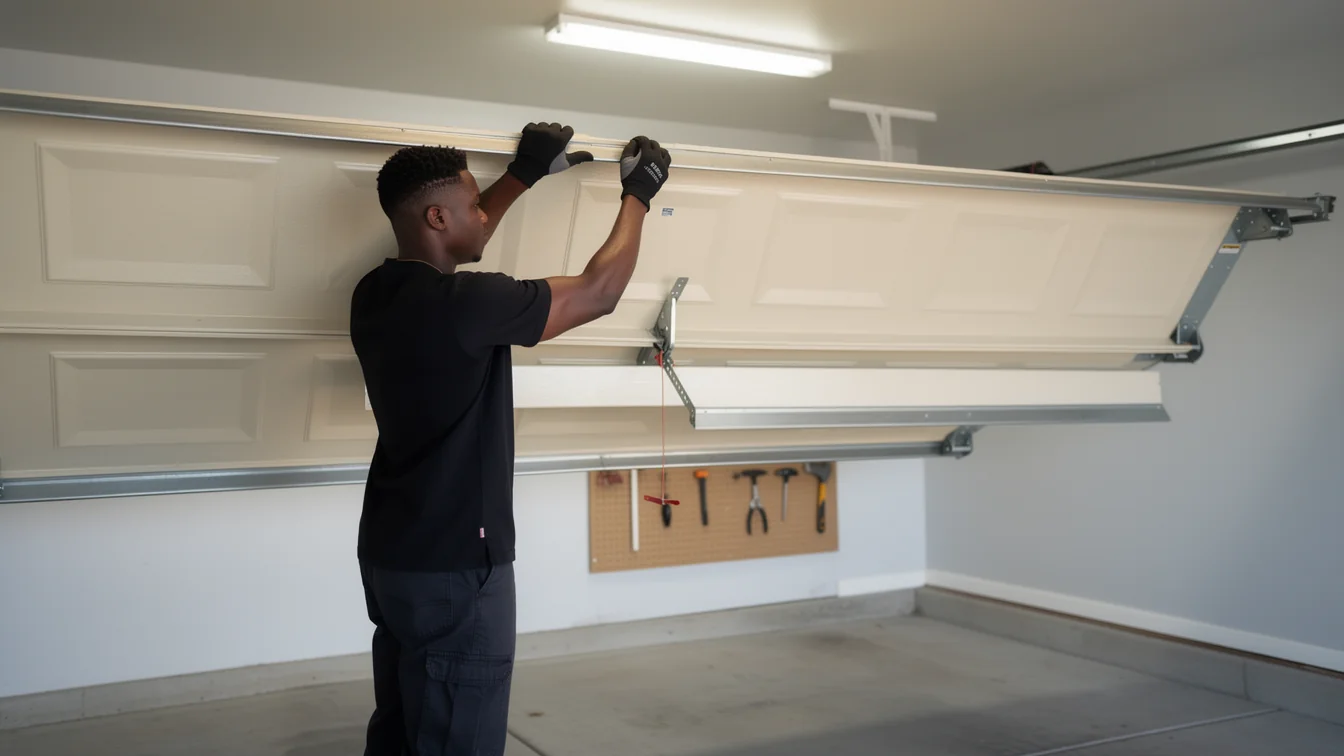 What a Service Call Actually Covers in Antioch
A straight look at what a garage door service call covers in Antioch, tied to the city's 1960s-70s housing stock and moderate-heat climate band.
What a Service Call Actually Covers in Antioch
A straight look at what a garage door service call covers in Antioch, tied to the city's 1960s-70s housing stock and moderate-heat climate band.
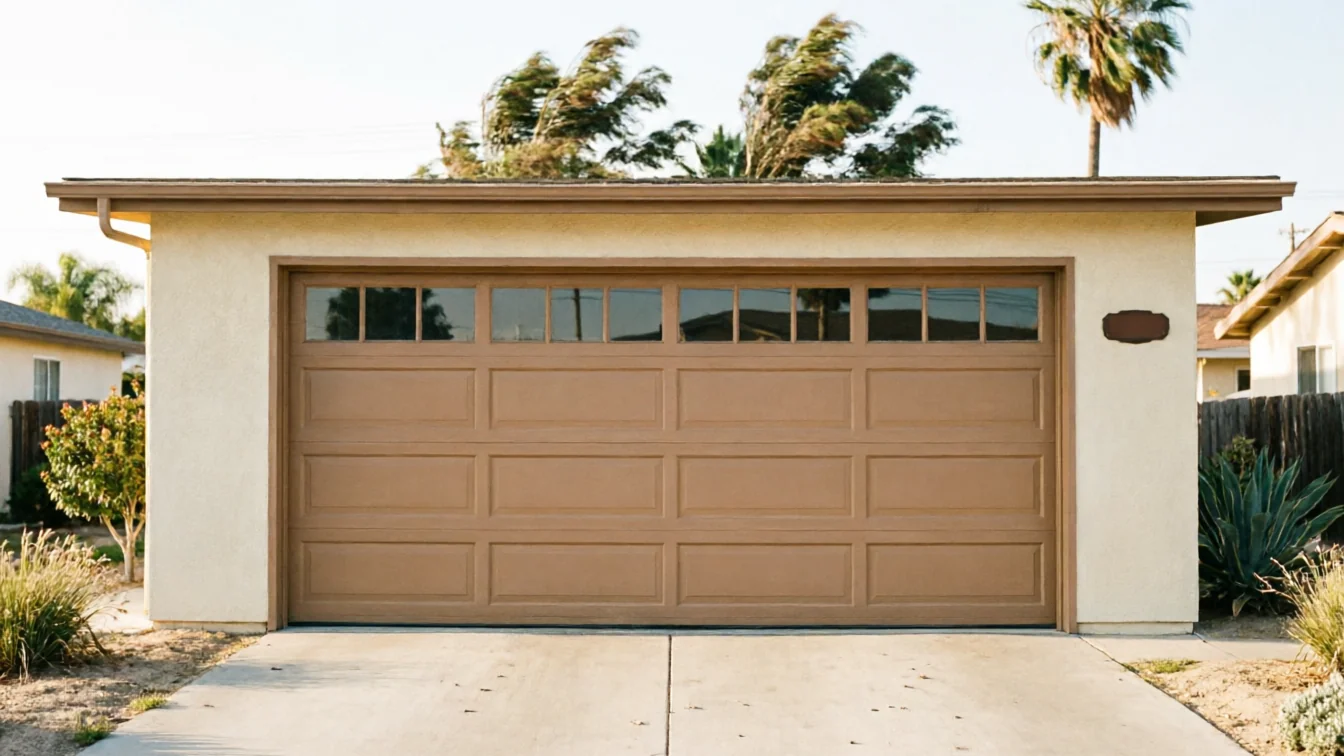 Why a Door Goes Off Track in Antioch
A look at why Antioch garage doors go off track, tied to the city's 1960s-70s housing stock and its moderate-heat climate band, from Antioch Garage Door Pros.
Why a Door Goes Off Track in Antioch
A look at why Antioch garage doors go off track, tied to the city's 1960s-70s housing stock and its moderate-heat climate band, from Antioch Garage Door Pros.
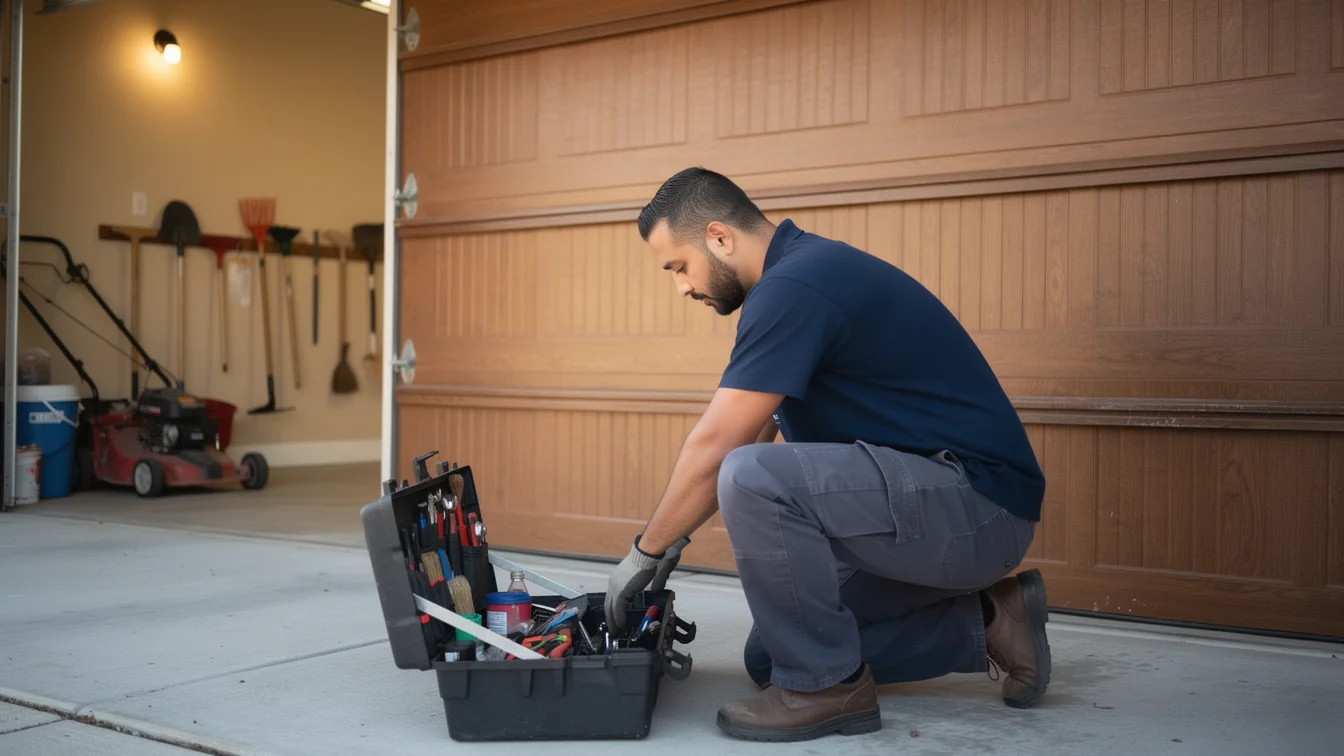 Why So Many Antioch Garage Doors Have No Insulation at All
Antioch's median house went up in 1979, years before insulated garage door panels were standard.
Why So Many Antioch Garage Doors Have No Insulation at All
Antioch's median house went up in 1979, years before insulated garage door panels were standard.
Ready when you are
Need a garage door sorted in Antioch?
Antioch Garage Door Pros repairs and installs garage doors, springs and openers in Antioch, CA and the surrounding area.