
Blog
Weather Seals and Draughts in Antioch Garage Doors
Why garage door weather seals fail on Antioch's 1960s-70s housing stock, what the local heat does to rubber, and what actually drives repair cost here.
What Is Going On
Most houses in this part of the county went up between 1950 and 2008, with the typical place dating to around 1979. Across the 24 named communities we work in, the bulk of that stock is from the 1960s and 70s. That matters for weather seals because the bottom astragal and the side jamb seals on a door that age have usually been replaced once already, sometimes twice, and often with whatever strip the previous owner grabbed off a shelf rather than the profile the track actually calls for.
A draught under a garage door almost never means the whole door is bad. It usually means the rubber along the bottom has hardened, cracked, or pulled loose from the track channel, or the side seals have flattened on one side where the door doesn't sit square anymore. On a house built in the 1960s or 70s, the slab itself may have settled a little over sixty years, which throws the door's reveal off just enough that a straight seal stops making even contact.
We don't replace a seal on every call. If the gap is uneven because the track is bent or the rollers are shot, a new seal buys you a few months before the same draught comes back.
What Changes With the Season
This area sits in a moderate heat climate band rather than a freeze-thaw one. That changes what actually wears a seal out here compared with a colder region. You're not dealing with ice splitting rubber or snow load bending a track. You're dealing with sustained heat cycling the material - expanding it during the hottest stretches, then letting it contract back down overnight, over and over, for a decade or more.
That cycling is what turns a pliable bottom seal brittle. On a door built or last resealed sometime in the 1970s-stock era common to this area, you'll often find the rubber has gone stiff and started to crack at the folds where it flexes most, right at the corners of the slab. It doesn't shatter like it might in a freeze climate - it just stops sealing, a little more every summer.
Side seals and the weatherstrip around the header behave the same way. The panel itself can warp slightly under direct heat exposure too, especially on steel doors facing west, which opens a gap a new strip of rubber won't fully close no matter how well it's installed.
What You Pay
We don't have a flat number to quote here, because a weather-seal job runs from a bottom astragal swap to a full seal-and-track correction depending on what's actually causing the draught, and that's not something to guess at over the phone. What we can tell you is what drives the range.
The service area runs about 82,876 owner-occupied houses out of roughly 136,783 households, with a median household income near $139,567. That's relevant mostly because it means most of the work we do is on owned homes where people want the fix done right once rather than patched twice - a full seal kit with a corrected track alignment costs more up front than a strip of rubber stapled over the gap, but it's the version that actually holds through a second or third hot season.
If your door is from the older end of that 1950-2008 build range and the track has never been adjusted, expect the quote to include more than just seal material. A seal is cheap. Fixing why the seal won't sit flat is the part that varies.
What the Weather Here Does to It
In a moderate-heat climate band like this one, the damage to weather seals is slow and cumulative rather than sudden. You won't get a single cold snap that cracks a seal overnight. Instead you get years of daytime heat pushing the rubber to its expansion limit and nighttime cooling pulling it back, and eventually the material just loses the memory to spring back to its original shape.
That's why draughts tend to show up gradually on houses in this area - a little more air movement each summer until one day you notice daylight under the door. On the 1960s-70s stock that makes up most of what we see, the seals have typically been through forty-plus summers of that cycle, sometimes on the original track hardware.
We don't stock every seal profile on the truck, since older doors here sometimes used astragal channels that aren't the current standard width. If yours is one of those, we'll usually still get you sealed that visit, but it may mean a trip back with the right stock on a second visit rather than a one-and-done fix.
Questions
Common questions
Why does my garage door only draught on one side?
Usually the slab or the track has shifted slightly over the decades common to houses in this area, so the door doesn't sit perfectly square. The seal on the low side compresses fine while the other side gets a gap. Replacing the seal alone sometimes helps, but if the track's out of alignment the draught comes back within a season.
Does the heat here actually damage garage door seals?
Yes, though slowly. This area sits in a moderate-heat climate band, so seals don't crack from cold the way they might elsewhere - they harden and crack from years of heat expansion and contraction. A seal that looks fine in spring can be brittle and gapping by late summer after enough cycles.
Is a new seal or a new door the right fix for draughts?
If the panel itself has warped from heat exposure, a new seal won't close the gap for good - the slab won't sit flat against it no matter how fresh the rubber is. On most houses from the 1960s-70s era we see, though, it's the seal and track that have failed, not the panel, so a seal and alignment job is usually enough.
Recommendation
You Might Also Like
More garage door guides for Antioch homeowners.
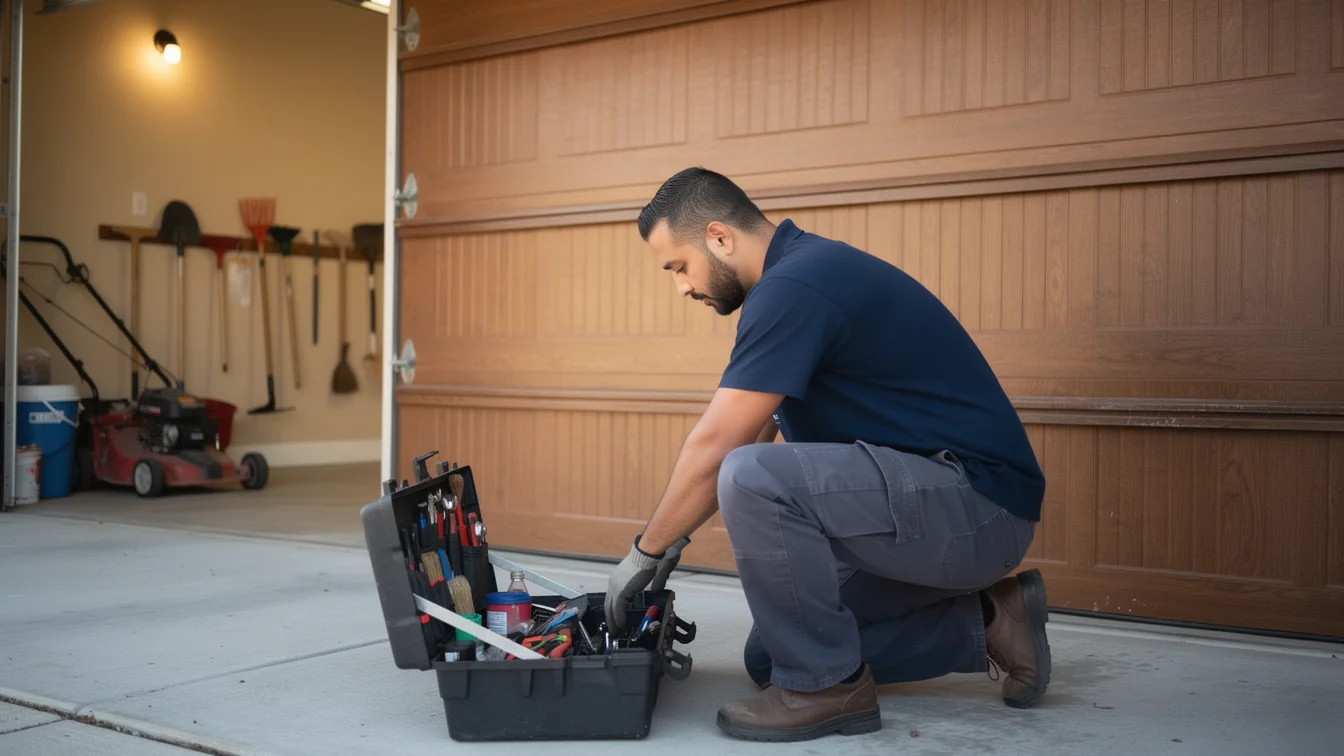 Why So Many Antioch Garage Doors Have No Insulation at All
Antioch's median house went up in 1979, years before insulated garage door panels were standard.
Why So Many Antioch Garage Doors Have No Insulation at All
Antioch's median house went up in 1979, years before insulated garage door panels were standard.
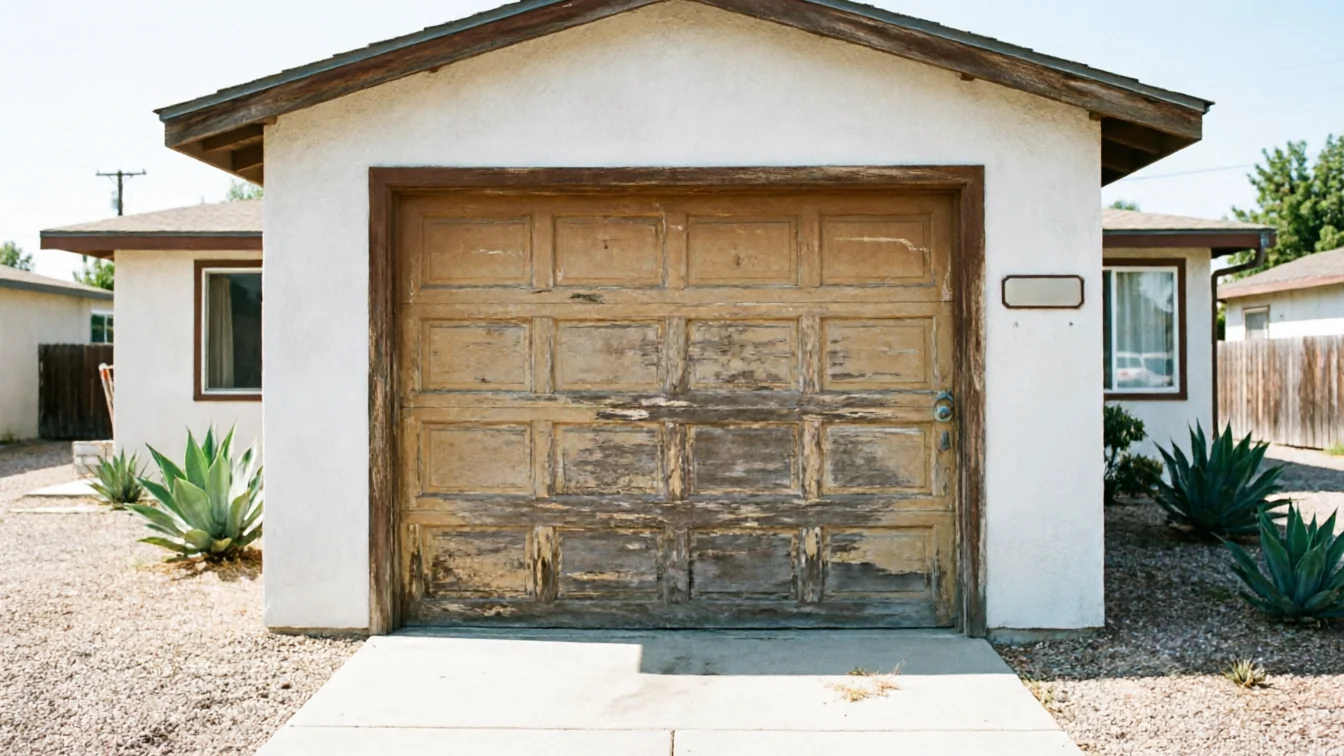 Openers and Power Cuts in Antioch Homes
Antioch's housing stock runs 1950-2008, median 1979, which shapes how openers fail here and how they handle a power cut.
Openers and Power Cuts in Antioch Homes
Antioch's housing stock runs 1950-2008, median 1979, which shapes how openers fail here and how they handle a power cut.
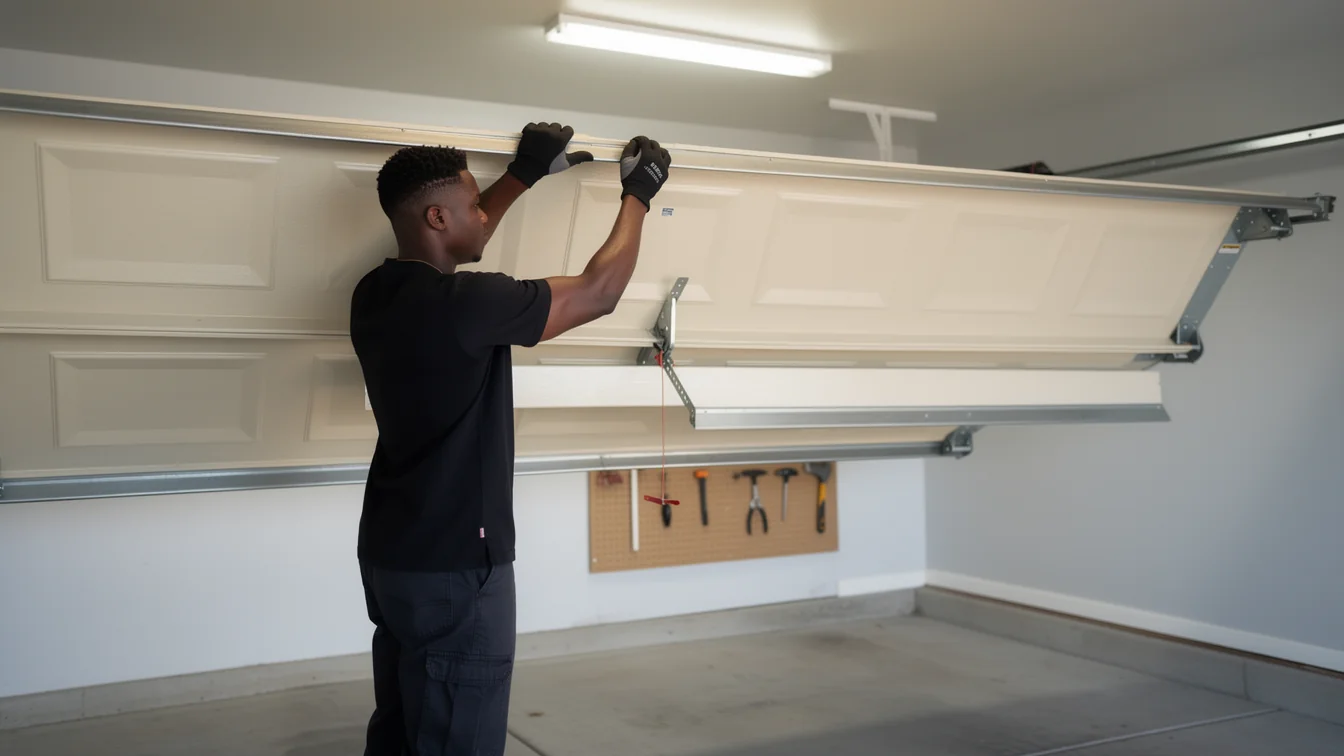 What a Service Call Actually Covers in Antioch
A straight look at what a garage door service call covers in Antioch, tied to the city's 1960s-70s housing stock and moderate-heat climate band.
What a Service Call Actually Covers in Antioch
A straight look at what a garage door service call covers in Antioch, tied to the city's 1960s-70s housing stock and moderate-heat climate band.
Ready when you are
Need a garage door sorted in Antioch?
Antioch Garage Door Pros repairs and installs garage doors, springs and openers in Antioch, CA and the surrounding area.