Blog
What Your Garage Door Is Trying to Tell You
Antioch homes built between 1950 and 2008 carry original hardware that talks before it fails. Here's what each sound means and when to call Antioch Garage Door Pros.
What Is Going On
A garage door doesn't fail silently. It clicks, grinds, pops, or thuds for weeks before it quits on you, and in a lot of Antioch houses that warning period is longer than it should be because the hardware under the noise is older than most people think. Housing stock here runs from 1950 up through 2008, with a median build year of 1979, and most of the neighborhoods fall into that 1960s-70s wave that makes up the bulk of the 24 named areas in this service area. That means a lot of doors are still running on original torsion springs, steel rollers instead of nylon, and tracks that have been re-bent more than once.
A rhythmic thump once per rotation usually means a flat spot on a roller or a bent track section - common on doors that have been opened and closed for forty-plus years without the track ever being checked for square. A sharp metallic pop, especially on a cold morning, is almost always a spring under tension letting go a little at a time. A grinding whine from the opener itself points to a worn gear inside the unit, not the door. None of these are emergencies the first time you hear them. They are emergencies the fifth time, when something lets go while the door is halfway down.
We don't replace parts that aren't making noise yet just because the house is old. If the track is straight and the springs are balanced, we leave them alone.
What Changes With the Season
Antioch sits in a moderate heat climate band, not an extreme one, so you're not dealing with the kind of freeze-thaw cycling that cracks concrete slabs or seizes hardware overnight the way colder regions see. What you do get is steady heat exposure across the summer months that dries out lubricant on tracks and hinges faster than owners expect, especially on doors with original 1970s-era hardware that was never built with modern synthetic grease in mind.
The noise pattern that shows up most often with this kind of heat cycling is a dry squeal on the hinges between panels, paired with a slight stiffness in the first foot of travel when the door opens. That's not a spring problem - it's a lubrication problem, and it's cheap to fix if you catch it before the dry metal starts wearing a groove into itself. Left alone through a few summers, that groove turns into a hinge that needs replacing instead of oiling.
We don't see a strong case here for the kind of seasonal spring-tension adjustment that gets recommended in colder parts of the state - the moderate heat band doesn't put that kind of swing on steel the way a hard freeze does. So if someone's telling you to re-tension your springs every fall regardless of how they sound, that's advice built for a different climate, not this one.
What You Pay
We're not going to put a number here that doesn't match the job in front of us, because the honest range depends on what's actually making the noise - a roller swap and a spring replacement aren't the same call, and neither is priced the same whether the door is a 1960s original or something installed in the 2000s. What we can tell you is how we decide which way to go: on a lot of the older doors in this area, the hardware predates the opener by decades, and once a torsion spring goes on a door that old, we're usually looking at the whole spring system rather than a single part, since the other spring is close behind it.
Given the median household income in this service area sits well above $139,000, we see a fair number of owners who could replace a whole door outright but choose the repair instead because the door itself - the panels, the insulation - is still sound. That's a legitimate call as long as the track and hardware are straight. Where it stops making sense is when the door has already been patched twice; at that point you're paying for the same noise to come back next year.
We'll tell you flat out when a repair isn't worth it instead of running the bill up on a door that's done.
What the Weather Here Does to It
The moderate heat classification for this part of the service area means the real wear-and-tear story isn't storm damage or ice - it's sustained warm-weather expansion acting on hardware that's been in place since the 1960s and 70s wave of construction across most of these neighborhoods. Steel tracks expand slightly in heat and contract back down overnight, and on a track that's already a little out of alignment from decades of use, that daily flex is what turns a quiet door into a noisy one.
You'll hear it most on the first opening of a hot afternoon - a brief scrape or catch as the rollers meet a track that's shifted a hair out of parallel. It usually smooths out after the first cycle, which is exactly why people ignore it for years. The fix at that stage is a track re-alignment, not a replacement, and it's a lot cheaper to do once than to keep living with a door that hesitates every summer.
We work across this area - from the older sections near Antioch itself out toward neighborhoods closer to Oakley and Pittsburg - and the pattern holds pretty consistently wherever the housing dates to that same build era. If your door only acts up when it's hot out, that's the track talking, not the opener.
Questions
Common questions
My door makes a loud pop once in a while but still opens fine. Is that urgent?
That's usually a spring losing a little tension at a time, which is common on original hardware from the 1960s-70s building wave that makes up a lot of this area's housing stock. It will keep working until it doesn't, often without more warning. Worth a look before it fails mid-cycle, not necessarily a same-day emergency.
Should I be lubricating my garage door differently because of the heat here?
Yes, more often than you'd think. The moderate heat band this area sits in dries out old lubricant on tracks and hinges faster through summer, especially on doors with original hardware from the 1960s-70s era. A dry squeal on the hinges is usually the first sign, and it's a cheap fix if you catch it early.
Is a grinding noise from the opener the same problem as a noisy door?
No. A grinding whine usually points to a worn gear inside the opener unit itself, separate from the door's springs, rollers, or track. It won't resolve with lubrication the way track noise sometimes does, and it tends to get worse until the gear is replaced.
Do I need to re-tension my springs every year here like people say for colder climates?
Not based on what this area's climate actually does to hardware. The moderate heat band here doesn't put the same freeze-thaw stress on steel that colder regions see, so routine annual re-tensioning isn't something we'd push unless the door is actually showing signs of imbalance.
Recommendation
You Might Also Like
More garage door guides for Antioch homeowners.
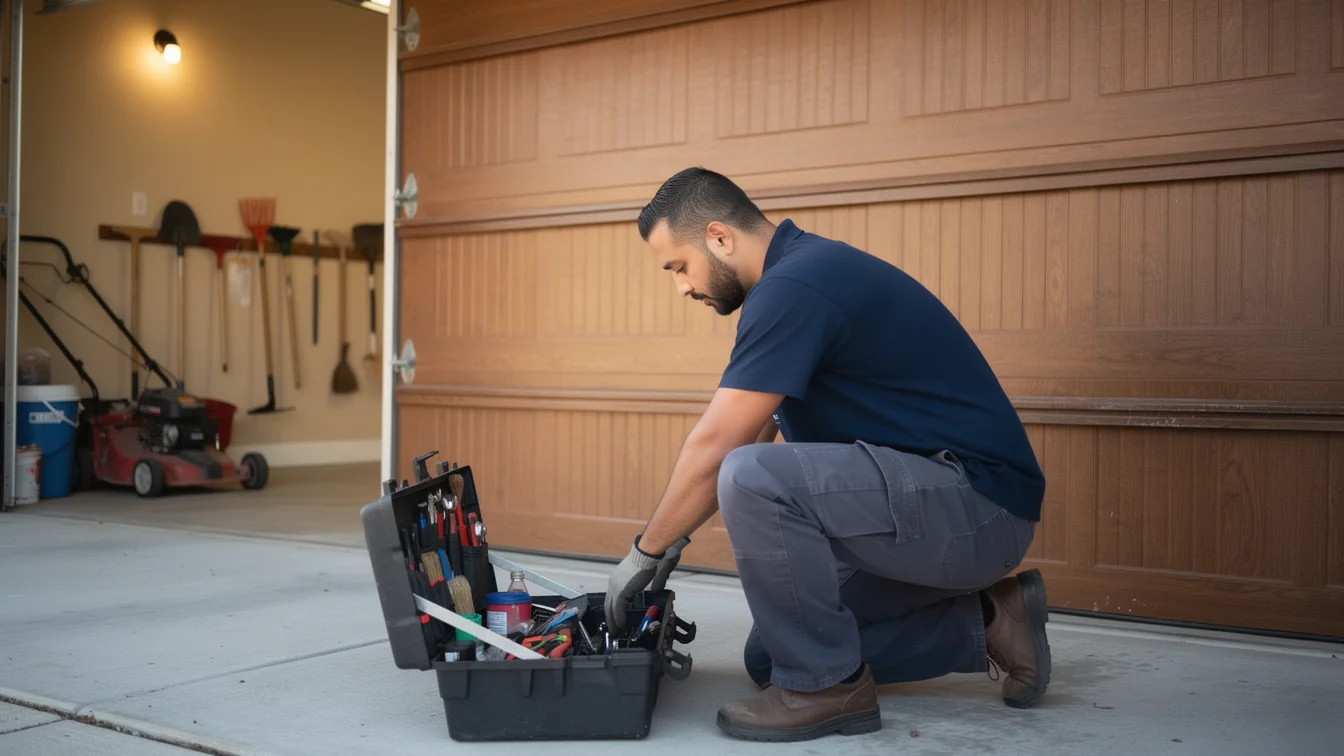 Why So Many Antioch Garage Doors Have No Insulation at All
Antioch's median house went up in 1979, years before insulated garage door panels were standard.
Why So Many Antioch Garage Doors Have No Insulation at All
Antioch's median house went up in 1979, years before insulated garage door panels were standard.
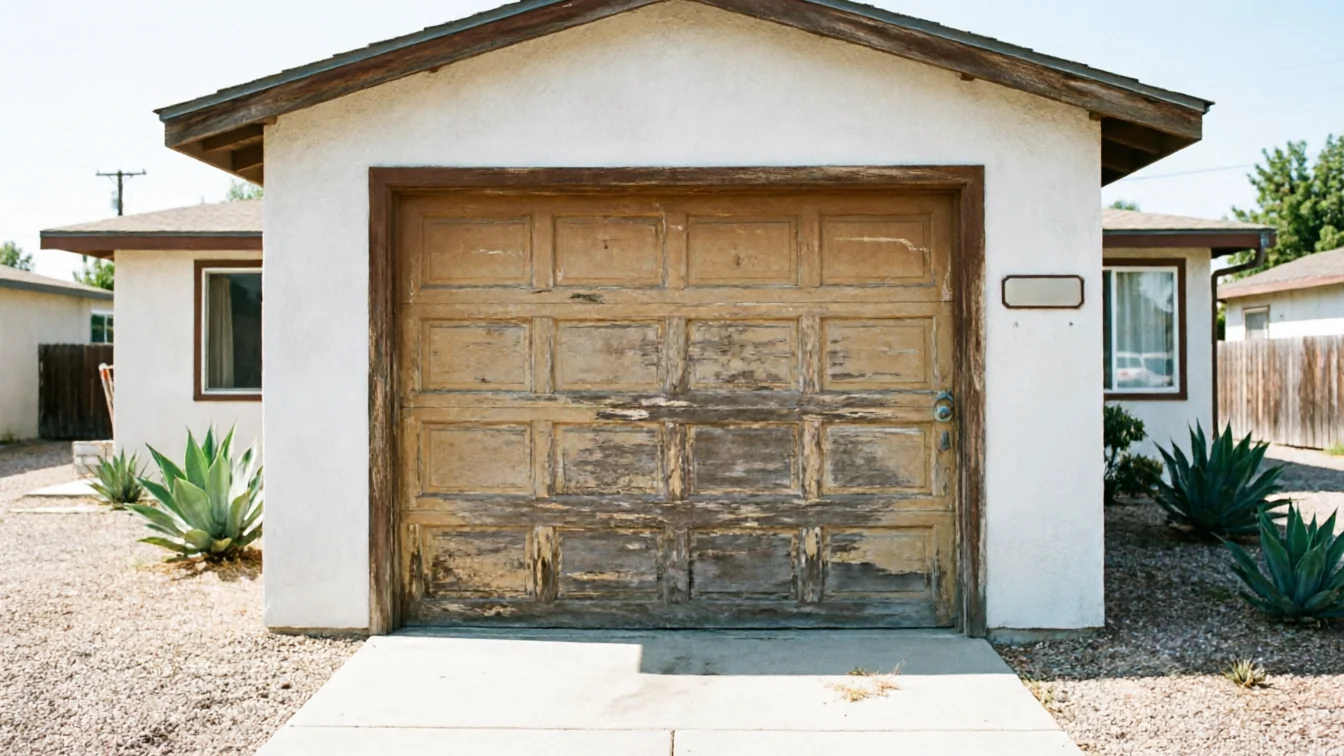 Openers and Power Cuts in Antioch Homes
Antioch's housing stock runs 1950-2008, median 1979, which shapes how openers fail here and how they handle a power cut.
Openers and Power Cuts in Antioch Homes
Antioch's housing stock runs 1950-2008, median 1979, which shapes how openers fail here and how they handle a power cut.
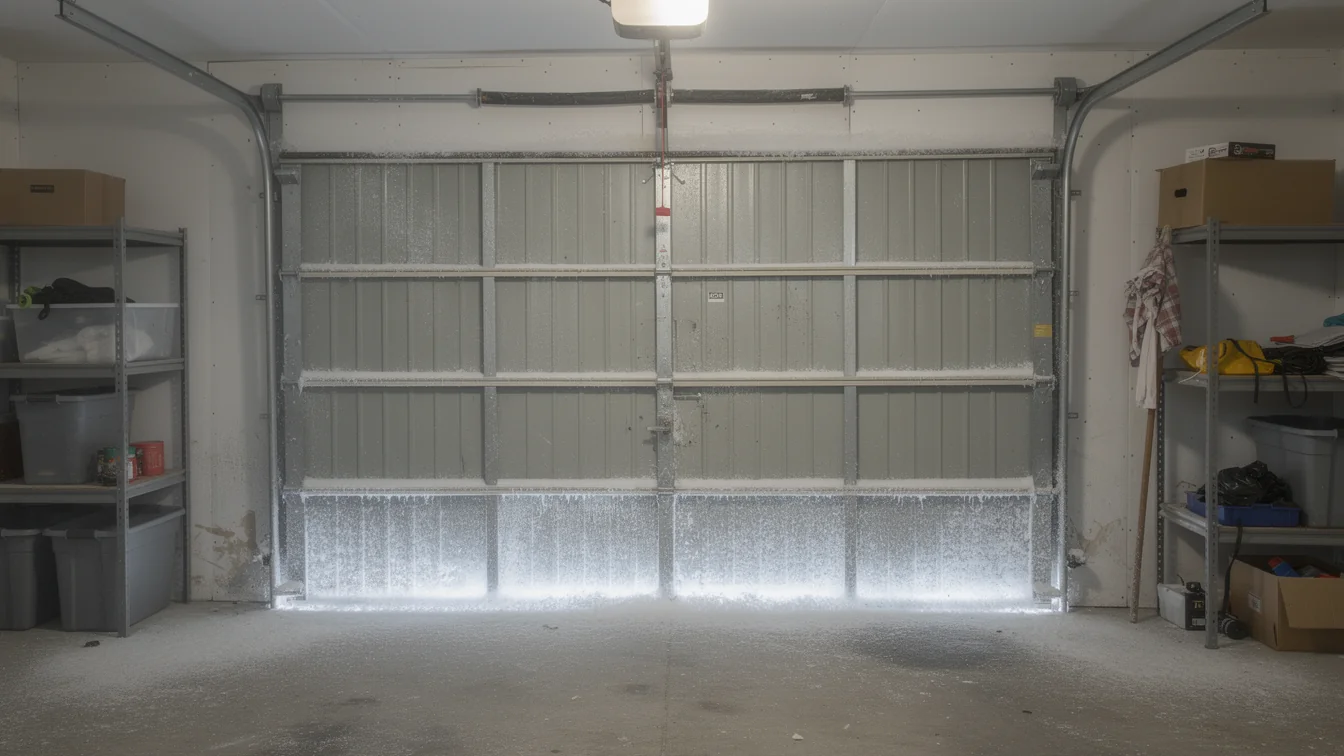 Why Garage Door Springs Fail Early in Antioch Homes
Antioch homes mostly date 1950-2008 with 1960s-70s stock common.
Why Garage Door Springs Fail Early in Antioch Homes
Antioch homes mostly date 1950-2008 with 1960s-70s stock common.
Ready when you are
Need a garage door sorted in Antioch?
Antioch Garage Door Pros repairs and installs garage doors, springs and openers in Antioch, CA and the surrounding area.